&geometry(315x90) "Gippsland Veterinary Group")
Listeriosis - “Silage Eye” in Sheep
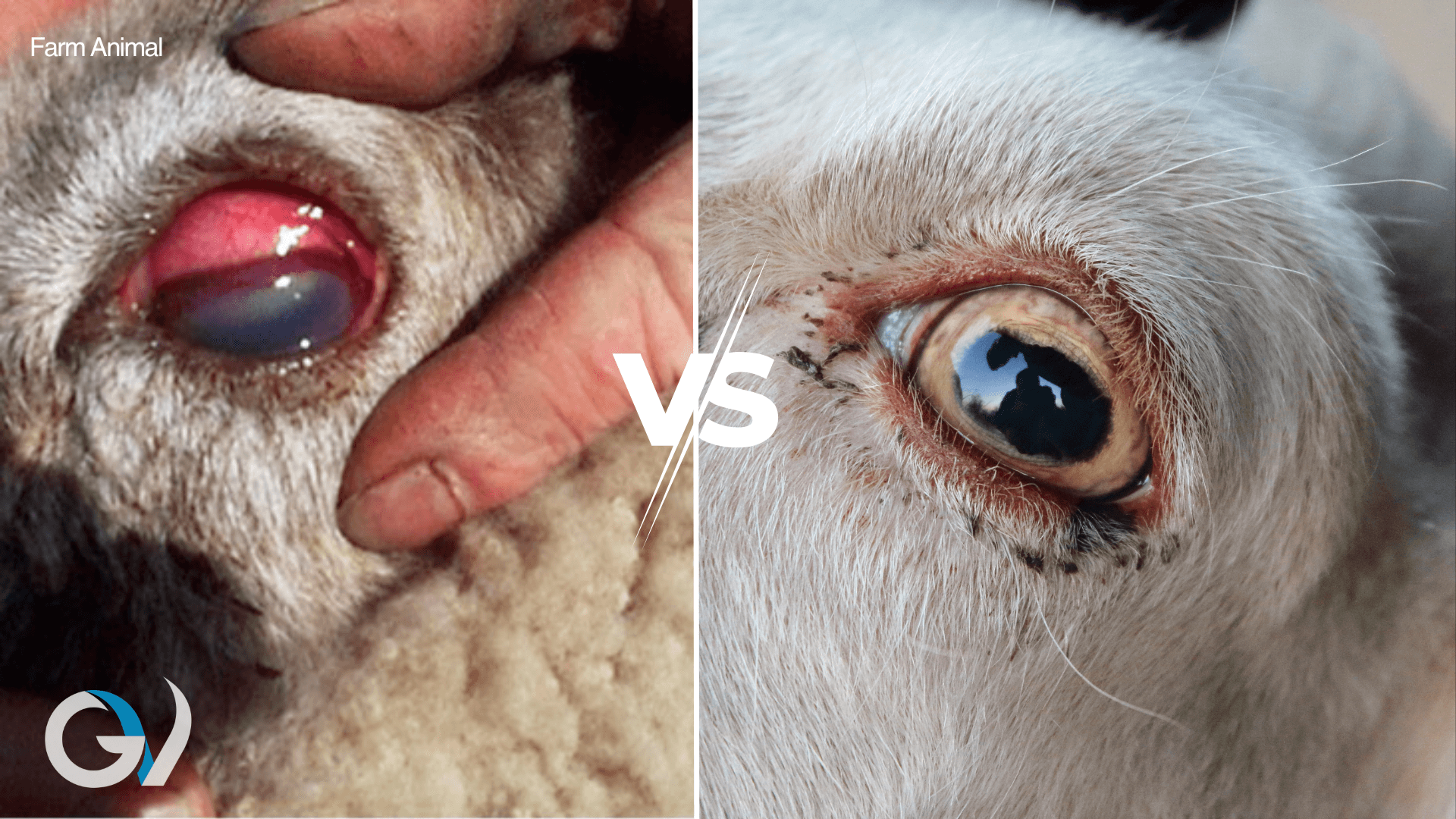
Listeriosis - “silage eye” in sheep
Listeriosis in sheep is a serious bacterial disease caused by Listeria monocytogenes, a bug commonly found in soil, water, decaying plants, poor quality silage and mouldy hay
The disease can present in several distinct forms. The neurological form; also known as encephalitis, is most common in adult sheep. Bacteria travel along cranial nerves (particularly the optic nerve) to the brain, leading to symptoms such as circling, head tilt, facial paralysis incoordination, drooling, depression, convulsions, and sometimes rapid progression to death within 24-48 hours. Uveitis (inflammation of the eye) often accompanies the neurological form of the disease.
In lambs and young animals, a septicaemic form may occur. Signs include sudden death, fever, weakness, diarrhoea, and systemic illness. Pregnant ewes may experience the reproductive form, leading to abortions, stillbirths, or weak lambs.
Diagnosis combines observation of clinical signs and history of feeding poor-quality forage with laboratory analysis. Confirmation typically requires culture or PCR testing of brain tissue (in neurological cases), placentas, or foetal material.
Treating affected sheep is often unrewarding. Very high and frequent doses of penicillin may be effective if administered early in the course of the disease.
Prevention focuses on managing feed quality and environmental hygiene. Avoid feeding silage with pH above 5.5, discard spoiled or mouldy feed, and ensure good drainage in feeding areas.