&geometry(315x90) "Gippsland Veterinary Group")
Erysipelas in Sheep: A Preventable Cause of Lameness and Losses
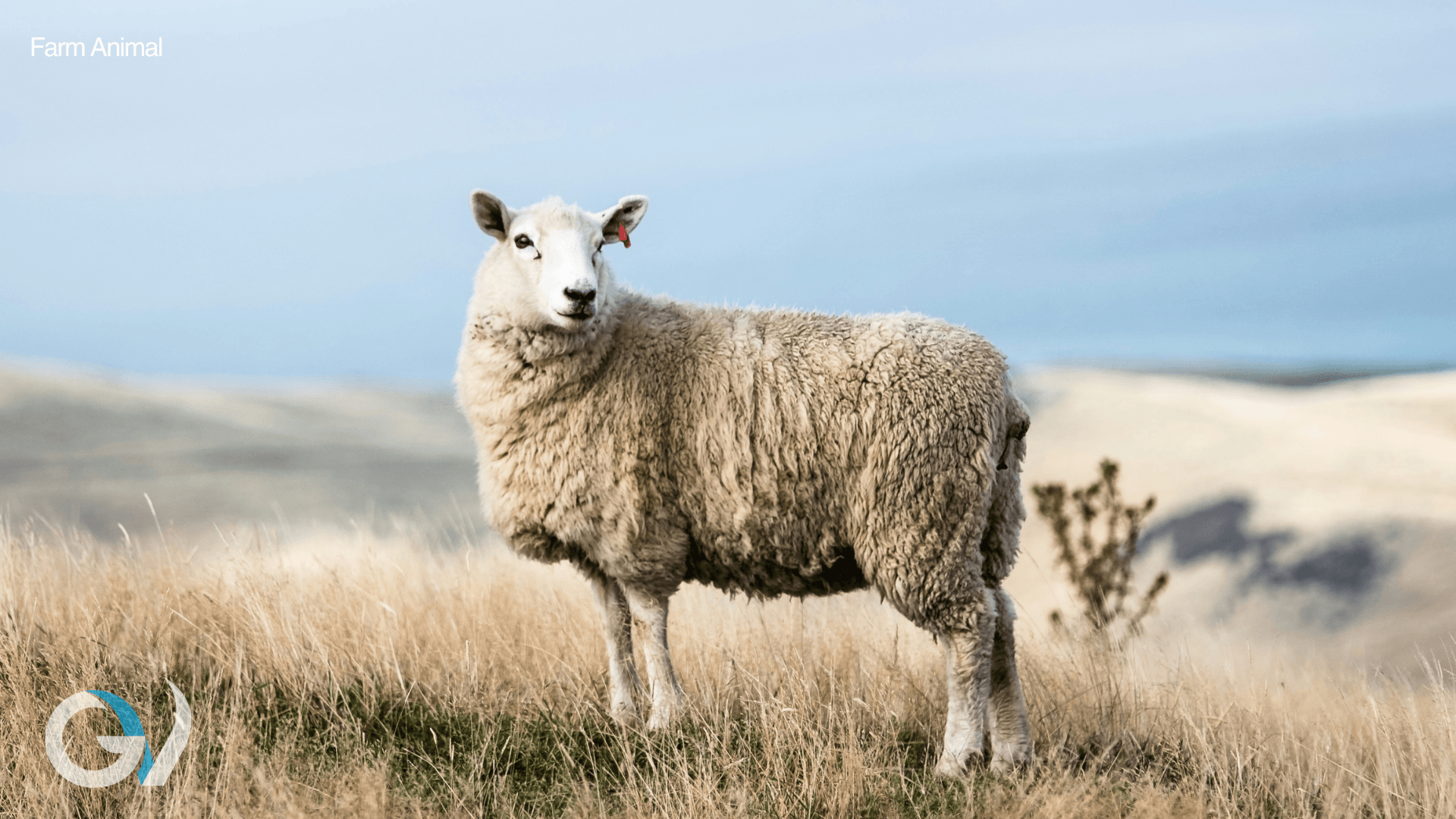
Erysipelas in sheep: a preventable cause of lameness and losses
Erysipelas in sheep, primarily caused by the bacterium Erysipelothrix rhusiopathiae, is a significant cause of infectious arthritis (joint ill), often developing 10 - 14 days after marking or shearing, leading to lameness, reduced growth rates, and losses at abattoirs due to carcass condemnation and trimming.
As a result, erysipelas continues to cost the sheep industry through lost productivity, compromised animal welfare, and avoidable financial losses. Importantly, the disease is largely preventable through vaccination and good management.
Disease impact and symptoms
The most common and significant impact of erysipelas in sheep is arthritis. The bacteria localise in one or more joints, causing inflammation, pain, swelling, and varying degrees of lameness. Affected sheep may be reluctant to move, fall behind the mob, or show reduced weight gain.
In many cases, arthritis caused by erysipelas is not detected until sheep reach the abattoir. Joint infections identified during processing frequently result in carcass downgrading, trimming, or total condemnation, with an average loss of around 3 kg of saleable meat per affected carcass.
Chronic infections are particularly damaging. Sheep with long?standing erysipelas develop thickened, swollen joints that may contain pus. These animals often suffer permanent lameness, stunted growth, and poor body condition, resulting in compromised welfare and limited economic value.
Erysipelas is also a zoonotic disease, meaning it can infect humans. People handling infected sheep or contaminated equipment may develop painful skin infections if bacteria enter through cuts or abrasions.
Causes and transmission
Erysipelothrix rhusiopathiae is widespread in the environment and can survive for extended periods in soil, particularly in moist, muddy conditions. Infection occurs when the bacteria enter the body through breaks in the skin.
Common entry points include:
- The navel of newborn lambs
- Wounds from marking, tail docking, and castration
- Shearing cuts and abrasions
Diagnosis
Diagnosis of erysipelas in sheep can be challenging, as clinical signs, particularly lameness and arthritis, are not specific to the disease. On?farm diagnosis is often presumptive and based on a combination of recent husbandry procedures (such as marking or shearing), the timing of onset (commonly 10-14 days later), and the pattern of lameness within the mob. Definitive diagnosis requires laboratory testing, with culture or PCR performed on joint fluid or post?mortem samples. Several other conditions can cause lameness or joint swelling in sheep and should be considered as differential diagnoses, including foot-rot, hoof abscess, injury or trauma, clostridial infections, and arthritis associated with Chlamydia or Mycoplasma species of bacteria. Because treatment and prevention strategies differ between causes, a definitive diagnosis is important before embarking on a vaccination program.
Prevention and Control
Vaccination is the most effective and reliable method of preventing erysipelas in sheep.
Vaccination of ewes
Vaccinating ewes approximately four weeks prior to lambing provides protection to lambs through maternal antibodies in the colostrum. This is particularly important in flocks with a history of Erysipelas or where lambs are exposed to high-risk environments early in life.
Vaccination of lambs
Lambs can be vaccinated at marking with a sensitising dose, followed by a booster at weaning. This program provides up to 12 months of protection and significantly reduces the risk of arthritis developing later in life.
Combined vaccines
Combination products such as GlanEry 7 in 1 B12 from Zoetis offer protection against clostridial diseases as well as erysipelas, while also helping to reduce incidences of "Cheesy Gland" (caseous lymphadenitis).
Supporting vaccination with good management
While vaccination is central to prevention, it works best when supported by good husbandry and hygiene practices, including:
- Maintaining strict hygiene during marking and mulesing
- Using clean, sharp equipment and disinfecting between mobs
- Avoiding tail docking shorter than the third palpable joint
- Minimising handling and shearing during wet, muddy conditions
- Reducing time spent in yards
Reducing stress and contamination of open wounds greatly lowers the likelihood of bacteria gaining entry and causing infection.
Treatment options
Early treatment of affected sheep with high doses of antibiotics can reduce joint damage if cases are detected promptly. However, identifying and treating individual animals is often impractical at a mob level, particularly once joint infections become established.
For advice on the most appropriate vaccination strategy for your flock please call us.