&geometry(315x90) "Gippsland Veterinary Group")
Wolf Teeth Explained | An Important Part of Young Horse Dentistry
Wolf teeth in horses: what are they and should they be removed?
If you’ve ever had your young horse booked in for a dental examination and heard your veterinarian mention “wolf teeth”, you’re not alone in wondering what they are and whether they need to be removed.
Wolf teeth are small, vestigial teeth that sit just in front of the upper cheek teeth, although they can occasionally occur in the lower jaw as well. They typically erupt between 6 and 18 months of age and, unlike the other teeth in your horse’s mouth, serve no functional purpose in chewing or digestion.
Why can wolf teeth cause problems?
While some horses live their entire lives without any issues associated with wolf teeth, their location means they can interfere with the bit in ridden horses.
When pressure from the bit pushes the cheeks and soft tissues against a wolf tooth, some horses experience discomfort or pain. This can result in behaviours such as:
- Head tossing
- Opening the mouth or crossing the jaw
- Resistance to contact
- Tilting the head
- Difficulty bending or accepting one rein
- Reluctance to move forward into the bridle
Some horses may also have loose, fractured or unusually positioned wolf teeth that are more likely to cause discomfort. “Blind” wolf teeth, which remain hidden beneath the gum surface, can be particularly problematic as they may not be visible during a routine examination without a thorough oral assessment.
Why do veterinarians recommend removing them?
Because wolf teeth have no role in chewing and can potentially interfere with bitting, many veterinarians recommend removal in young horses before they commence training or enter work. This helps eliminate one possible source of oral discomfort and may prevent the development of pain related behaviours during the early stages of education.
Removal is often simpler in younger horses, as the teeth tend to be less firmly attached to the surrounding bone compared with older horses.
Not every wolf tooth requires extraction, however your veterinarian will assess factors such as:
- Size and position of the tooth
- Whether it is likely to interfere with the bit
- Presence of pain or disease
- Whether the tooth is erupted or hidden beneath the gum
- Your horse’s intended discipline and level of work
The benefits of sedation during wolf tooth extraction
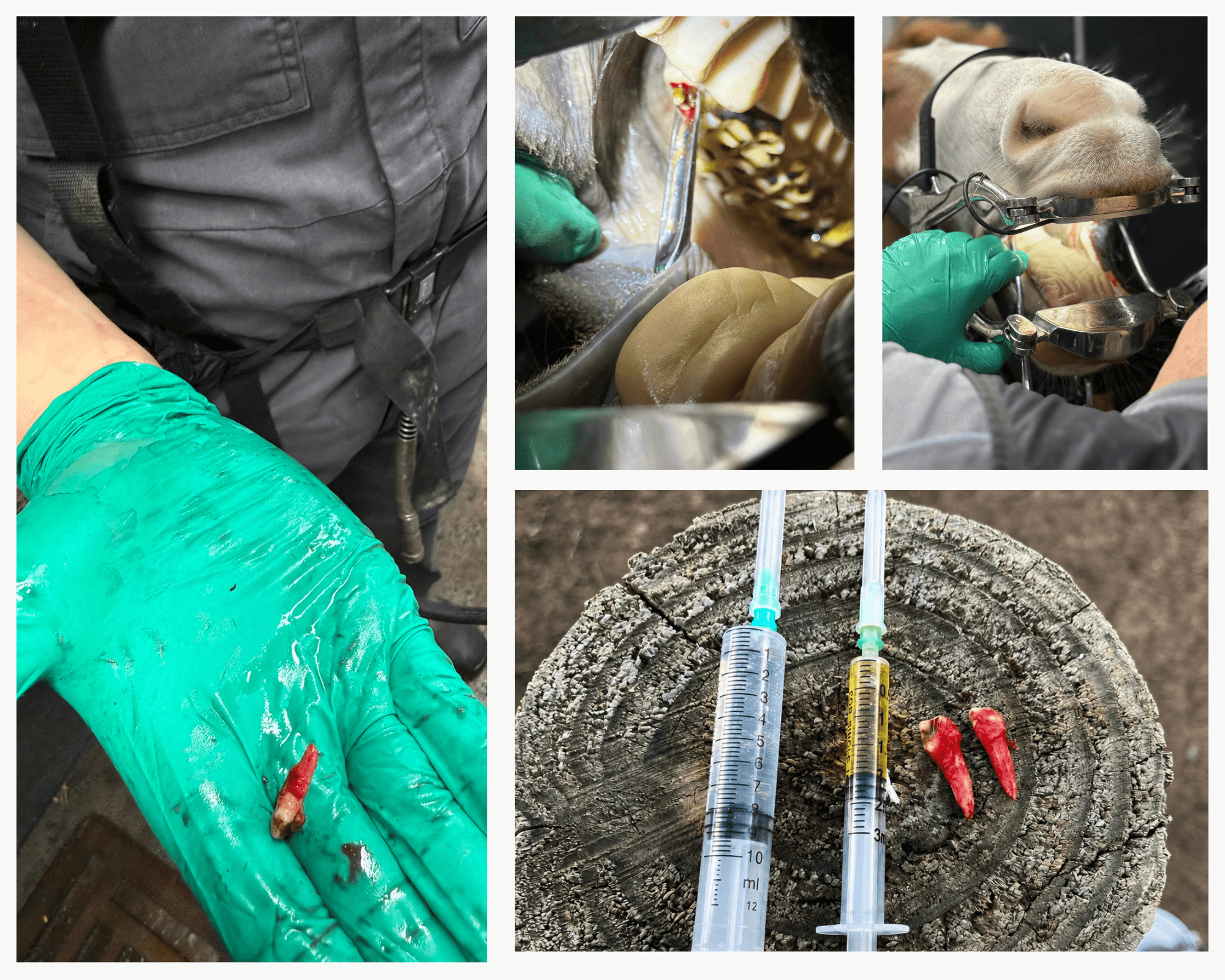
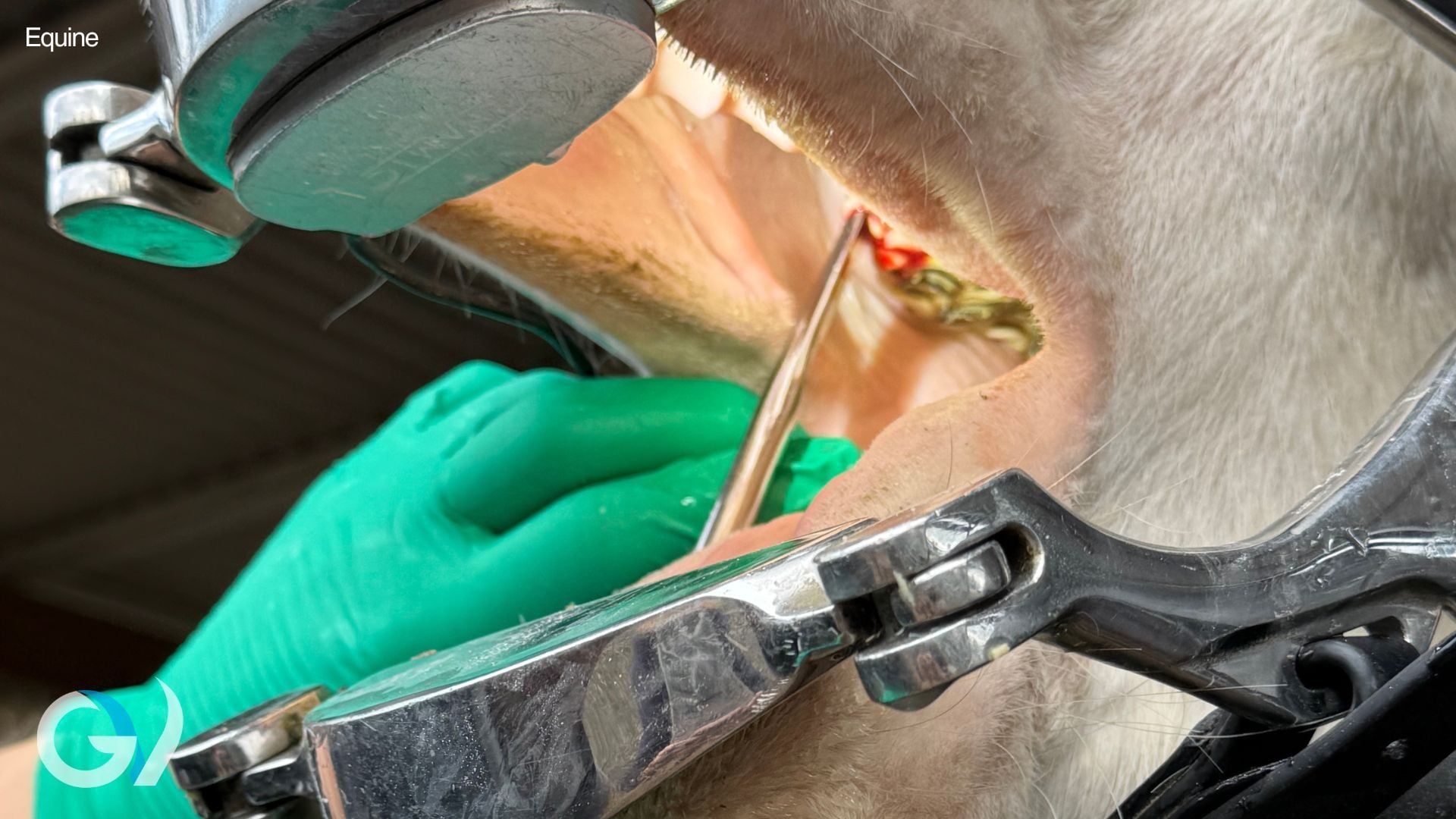
Wolf tooth extraction is generally performed in the standing horse under sedation and local anaesthetic.
Sedation offers several important benefits:
- Improved comfort for your horse,
- Sedation helps your horse remain relaxed throughout the procedure, while local anaesthetic ensures the extraction itself is not painful.
- Increased safety
- Better visualisation and access
- Reduced risk of complications
Even the quietest horse may react unexpectedly during dental procedures. Sedation minimises movement and reduces stress, making the procedure safer for both horse and veterinary staff.
A relaxed, sedated horse allows your veterinarian to perform a thorough oral examination and carefully assess the tooth and surrounding structures before extraction.
Careful extraction of the entire tooth, including the root, is important to minimise the risk of retained fragments, infection or ongoing discomfort. Sedation allows the procedure to be performed slowly and precisely using specialised instruments.
What happens after extraction?
Most horses recover quickly following wolf tooth removal and are back to normal within a short period of time.
Your veterinarian may recommend:
- A short break from bitting to allow the extraction site to heal.
- Appropriate pain relief if required.
- Ensuring tetanus vaccinations are up to date.
Most horses can return to work shortly after the extraction site has healed.
Unsure whether your horse has wolf teeth?
A comprehensive dental examination is the best way to determine whether wolf teeth are present and whether removal would benefit your horse.
If you have a young horse preparing to commence training, or a ridden horse showing signs of resistance or discomfort in the bridle, discussing wolf teeth with your equine vet can be an important part of improving comfort, performance and long term oral health.