&geometry(315x90) "Gippsland Veterinary Group")
Vaccinations for Dairy and Beef Bulls: Why They Matter
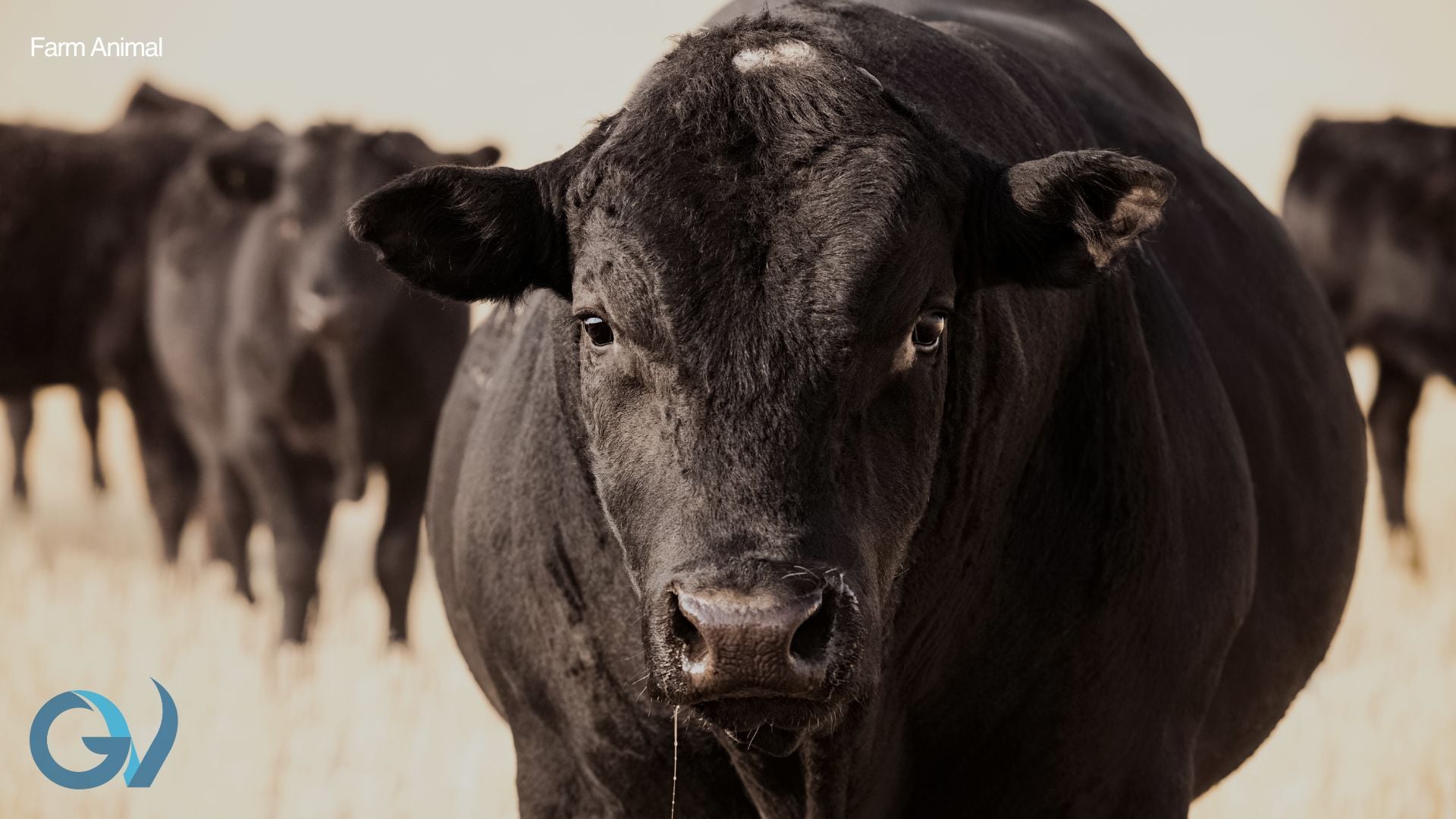
Vaccinations for dairy and beef bulls: why they matter
Healthy bulls are the cornerstone of successful breeding programs in both dairy and beef operations. Protecting them against preventable diseases through vaccination is essential for productivity, animal welfare, and profitability.
Why vaccinate bulls?
Bulls are often exposed to stress during transport, joining new herds, and breeding seasons. These factors can weaken immunity, making them more susceptible to infectious diseases. Vaccination helps reduce the risk of illness, ensuring bulls maintain optimal fertility and performance.
Core vaccines:
Ultravac 7 in 1- protects against the major clostridial diseases and also leptospirosis which can be a significant source of reproductive losses.
Pestiguard - all bulls need to be tested negative (ear notch) and vaccinated against pestivirus. Reproductive losses and calf losses through persistently-infected calves can be devastating in naïve herds.
Vibrovax - vibriosis can cause significant reproductive losses and ongoing infertility in cows and heifers
Rhinoguard - Infectious Bovine Rhinotracheitis (IBR) can cause infectious pustular balanoposthitis (IPB) in bulls and infectious pustular vulvovaginitis (IPV) in cows and heifers. IPB causes painful ulcers on the penis and prepuce resulting in severe pain and a reluctance to serve cows. It is also shed in the semen directly impacting sperm quality and also causing IPV in cows and heifers which can cause reproductive losses.
When buying bulls, never assume they have been fully vaccinated or tested negative for pestivirus and a quarantine drench with a dual active drench will prevent the spread of resistant worms to your property
Timing and protocols
Vaccinate bulls well before joining to allow immunity to develop. Most vaccines require two initial doses 4 - 6 weeks apart and then an annual booster for long-term protection.
All bulls should receive a worm drench at the time of vaccination - combination drenches such as Cydectin Platinum or Dectomax V are most effective and reduce the risk of worm resistance.
Bottom Line
Vaccination is a cost-effective insurance policy for herd fertility and health. A proactive program safeguards bulls, protects your investment, and supports sustainable production.