&geometry(315x90) "Gippsland Veterinary Group")
Tetanus & Strangles | Protecting Your Horse
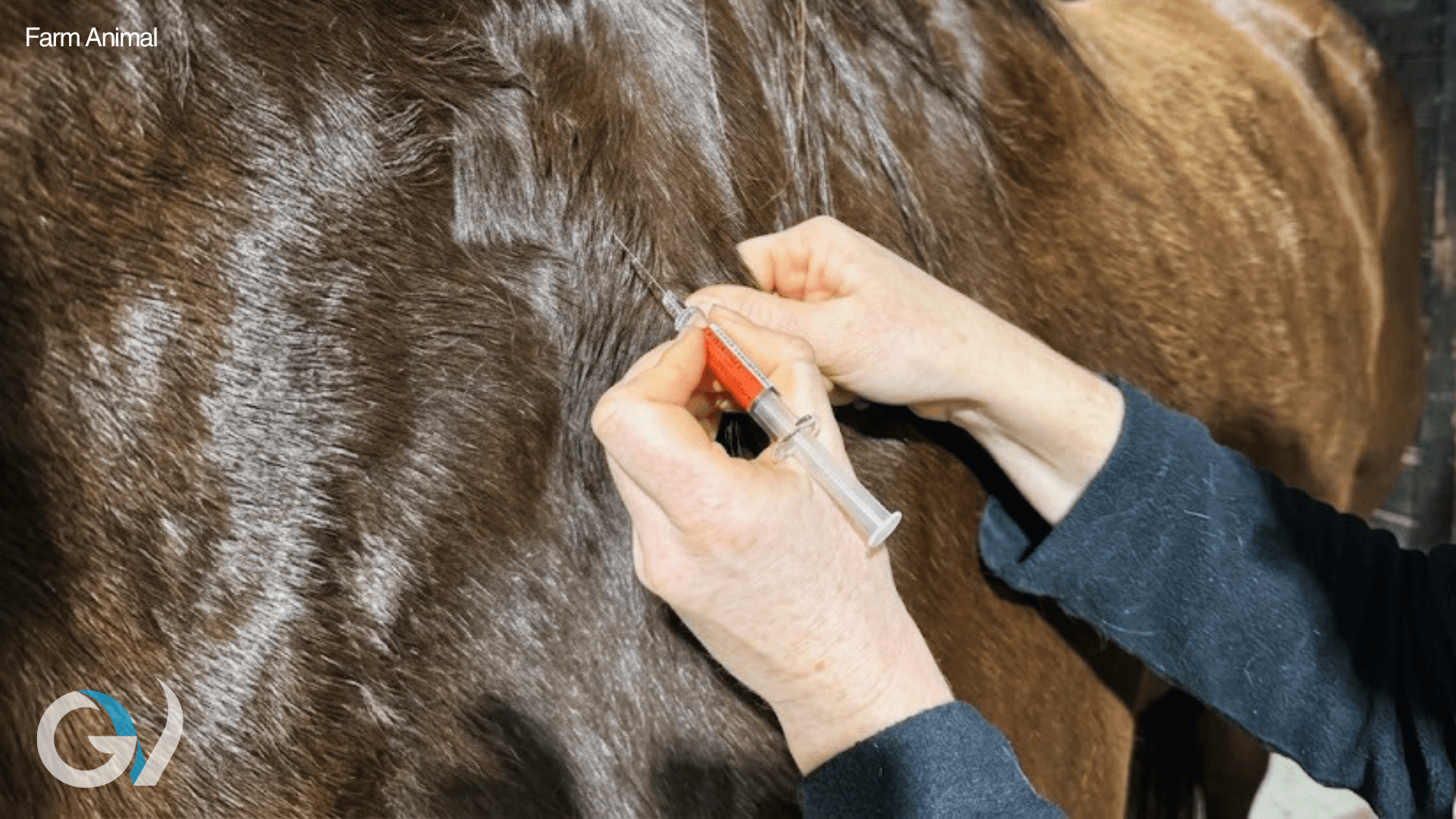
Vaccinating your horse for Tetanus and Strangles
Tetanus and strangles are two important diseases that horse owners should be aware of. Both can cause serious illness, but vaccination can significantly reduce the risk.
For horses in Victoria, tetanus and strangles can be covered together with the Zoetis Equivac 2 in 1 vaccine, with a strangles-only vaccine used as part of the primary course.
What is tetanus?
Tetanus is a serious and potentially fatal disease caused by the bacterium Clostridium tetani. The bacteria are commonly found in soil and can enter a horse through wounds, punctures or other breaks in the skin.
Tetanus causes severe muscle stiffness and spasms and can make it difficult for a horse to eat, drink or breathe. Because horses are particularly susceptible, vaccination is recommended for all horses, including those that rarely leave the property.
What is strangles?
Strangles is a highly contagious bacterial infection caused by Streptococcus equi. It commonly causes fever, nasal discharge and swollen or abscessed lymph nodes around the head and throat. Horses may also have difficulty swallowing, lose their appetite and become depressed.
Strangles spreads easily between horses through direct contact as well as contaminated equipment, people, buckets and surfaces. Young horses and those regularly attending agistment properties, pony clubs, competitions or training facilities may have a higher risk of exposure.
How can I reduce the risk?
Vaccination is an important part of protecting horses against both tetanus and strangles. Good biosecurity is also essential, particularly when introducing new horses or when horses are travelling and mixing with unfamiliar animals.
Avoid sharing equipment between horses where possible, isolate new or sick horses, and monitor horses for signs of illness. If a horse develops a fever or other symptoms, contact your veterinarian promptly.
Vaccination
Your veterinarian may commonly recommend a 2 in 1 vaccination to provide protection against both tetanus and strangles in a single vaccination.
An ideal primary vaccination course for a young or previously unvaccinated horse is:
Dose 1: Equivac 2 in 1 | from 3 months of age
Dose 2: Strangles-only vaccination | 2 weeks later
Dose 3: Equivac 2 in 1 | 4 weeks after Dose 1
Booster: 12 months after completing the primary course
Ongoing: Annual boosters
Following the primary course, horses with a higher risk of strangles exposure may require a more frequent strangles vaccination program (twice yearly). Your veterinarian can recommend the most appropriate schedule based on your horse's age, lifestyle and level of exposure. Combining your horse's annual vaccination with their yearly dental examination can be a convenient way to remember when their vaccination is due.
Vaccination and castration
Castration is an ideal opportunity to make sure your colt is appropriately protected against tetanus.
Where possible, we recommend that colts complete their primary vaccination course before surgery. This helps ensure they have the highest possible level of immunity against tetanus at a time when they are most vulnerable to infection.
If a colt has not been vaccinated previously, the vaccination course can be commenced at the time of gelding. However, because vaccination does not provide immediate protection, your veterinarian may also recommend tetanus antitoxin (TAT) to provide immediate, short-term protection following surgery while the horse develops immunity from the vaccine.
The same principle applies to an unvaccinated horse with an acute or fresh wound. Because tetanus can be life-threatening and the immune response from a first vaccination takes time to develop, your veterinarian may recommend TAT alongside commencing the vaccination course to provide immediate protection.
Tetanus antitoxin is intended to provide immediate, short-term protection and does not replace the need to complete the horse's vaccination course.
Protect your horse - and the horses around them
Vaccination, good biosecurity and early veterinary attention are the best tools for reducing the impact of tetanus and strangles.
Speak with your veterinarian about establishing and maintaining your horse's vaccination program, particularly before procedures such as castration, and keep a record of vaccinations and upcoming booster dates.
A simple vaccination plan can provide valuable protection for your horse and help reduce the spread of disease within the wider horse community.