&geometry(315x90) "Gippsland Veterinary Group")
Strategic Drenching - Protecting Calves from Inhibited Ostertagia
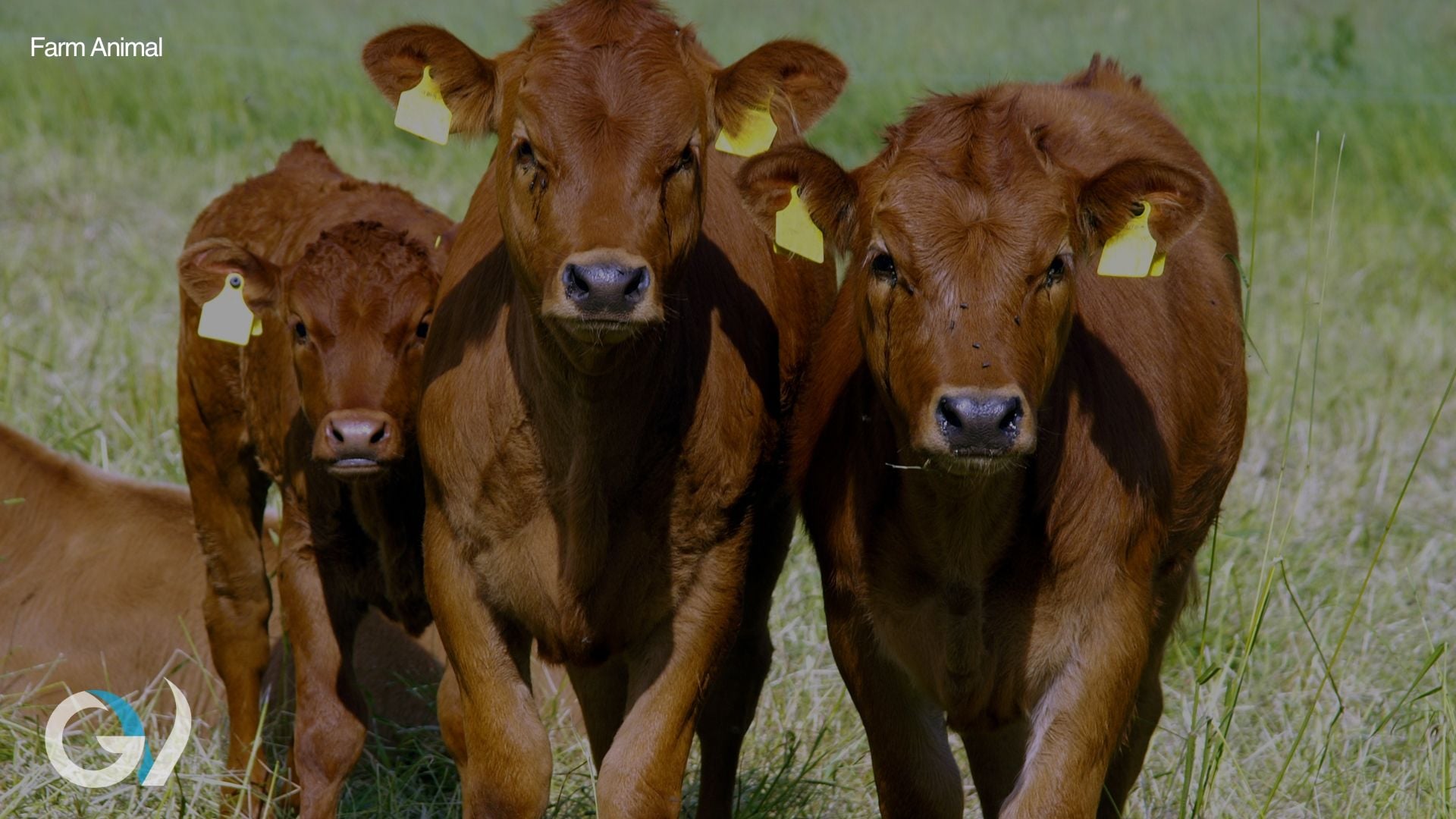
Late-summer drenching: protecting calves from inhibited Ostertagia (small brown stomach worm) larvae
As summer winds down, spring-born calves face a silent but serious threat: inhibited Ostertagia larvae. These parasites, common in Victorian grazing systems, can remain dormant in the stomach lining during warm months and then emerge in autumn, causing Type II ostertagiasis—a condition that can devastate growth rates and animal health.
Why late summer drenching is critical
- Lifecycle Risk: Ostertagia larvae ingested in late spring and early summer often become inhibited in the fourth stomach. When conditions cool around the autumn break, they resume development, leading to sudden high worm burdens.
- Impact: Calves may show poor weight gain, rough coats, diarrhea, and in severe cases, death. Even sub-clinical infections reduce feed efficiency and future productivity.
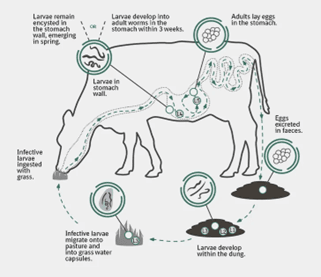
(Picture courtesy of CHEMVET Aus)
Strategic drenching guidelines:
- Timing: target late summer (February-April) before larvae mature. This is especially important for calves that were grazing heavily contaminated pastures during the previous spring.
- Product selection: use drenches proven effective against inhibited Ostertagia - Injectable “Mectin” drenches are the best option - Dectomax V being a combination drench is preferable to single active drench options.
- Monitoring: weigh calves regularly and check growth trends. Poor performance may indicate parasite pressure.
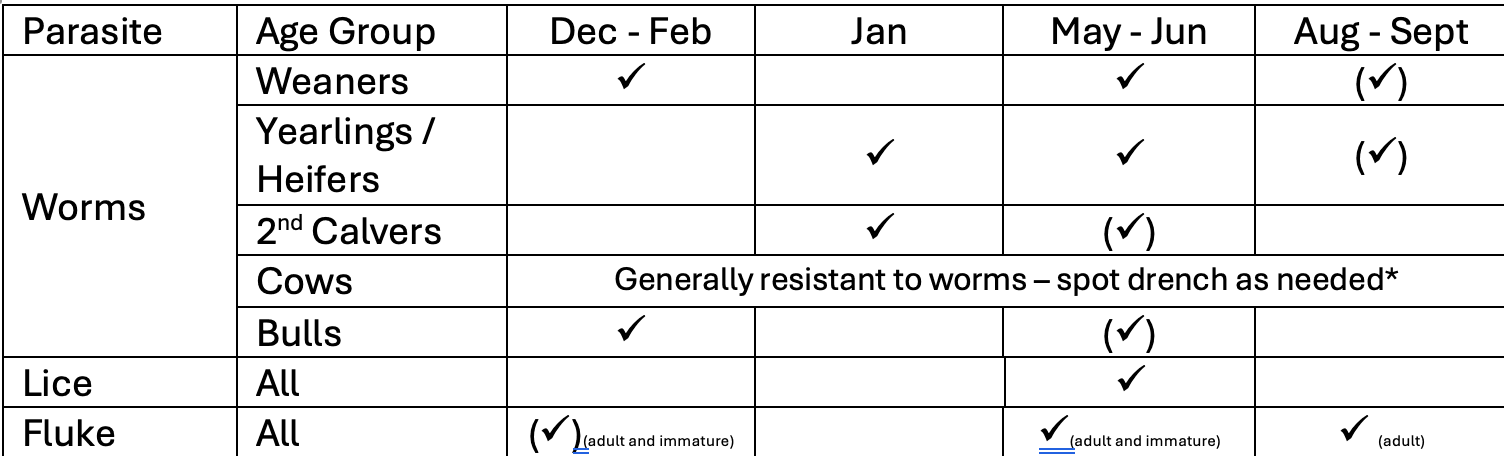
Benefits of a well-timed drench
- Prevents sudden outbreaks of Type II ostertagiasis.
- Maintains growth rates and feed conversion efficiency.
- Reduces pasture contamination during autumn resulting in easier worm control in winter and spring.