&geometry(315x90) "Gippsland Veterinary Group")
Smarter Mastitis Treatment | Cut Antibiotic Use Without Hurting Cure Rates
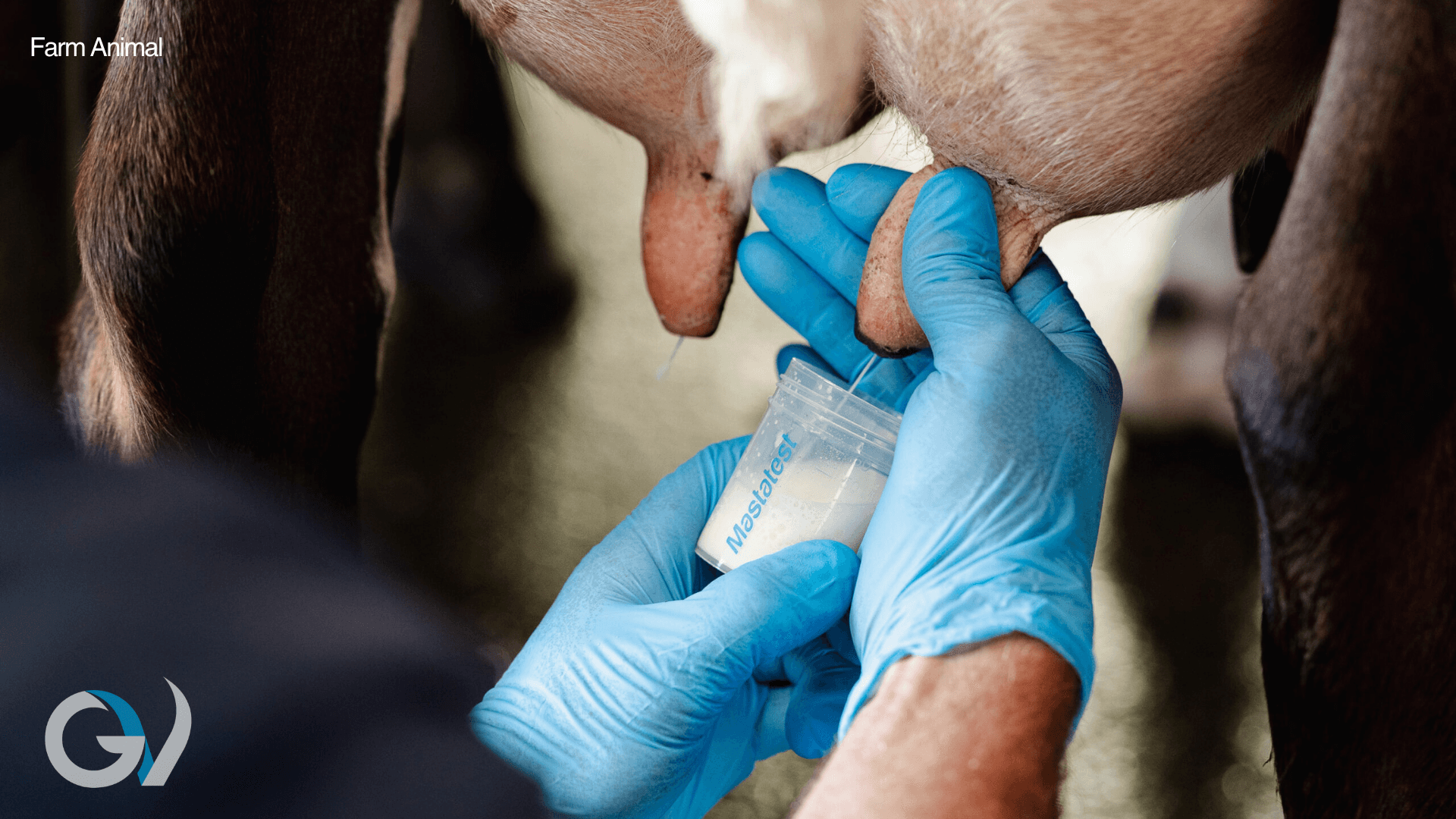
Targeted Mastitis Treatment: Using Fewer Antibiotics Without Compromising Outcomes
Mastitis remains one of the biggest drivers of antibiotic use on dairy farms, both in pasture-based systems, where Gram-positive bacteria predominate and intensive systems where Gram-negative bacteria such as E. coli predominate. A recent New Zealand trial suggests there is an opportunity to use fewer antibiotics for mastitis without compromising treatment outcomes, provided farms can identify the causative bacteria quickly and follow a clear treatment protocol (Bates et al., 2020).
In the study, 535 cases of mild to moderate clinical mastitis from 6,467 cows across seven herds were randomly assigned to one of two treatment protocols - one group received Immediate Standard Treatment with a procaine penicillin based antibiotic, while the other group waited 24 hours for the Mastatest results and was then treated selectively based on whether the case was caused by Gram-positive bacteria, Gram-negative bacteria, or no-growth with the antibiotic selection based on the antibiotic sensitivity of the isolated bacteria (Delayed Mastatest Treatment)
Mastatest is a cloud-based, on-farm system for the rapid culture of clinical mastitis cases that automatically delivers the results of the causative bacteria and its antibiotic sensitivity to your phone within 24 hours with no reading of culture plates required.
The key results of the study were the Selective Mastatest Treatment resulted in a reduction of antibiotic use of 24 % (1.3 daily doses vs 1.7 daily doses per clinical case). This was mainly achieved through the rapid identification and treatment of mild and moderate mastitis cases caused by Gram-negative bacteria with anti-inflammatories alone, as these cases do not generally need to be treated with antibiotics. The selection of the best antibiotic therapy as determined by the Mastatest results also resulted in an increase in the cure rate for cases caused by Gram-positive bacteria (88 % vs 91 %). Breaking this down further, there was no difference in the cure rates for cases caused by Strep uberis (both 96 %) but an increase in the cure rates for cases caused by Staph aureus (37 % vs 44 %).
There were no difference in the recurrence rates within 60 days and no differences in subsequent cell counts of treated cows over the remainder of that lactation.
It is important to note that cows with severe cases of clinical mastitis (febrile, depressed, off feed etc) were treated immediately with antibiotics and anti-inflammatory drugs and were excluded from the trial.