Reproductive performance of bulls in dairy herds
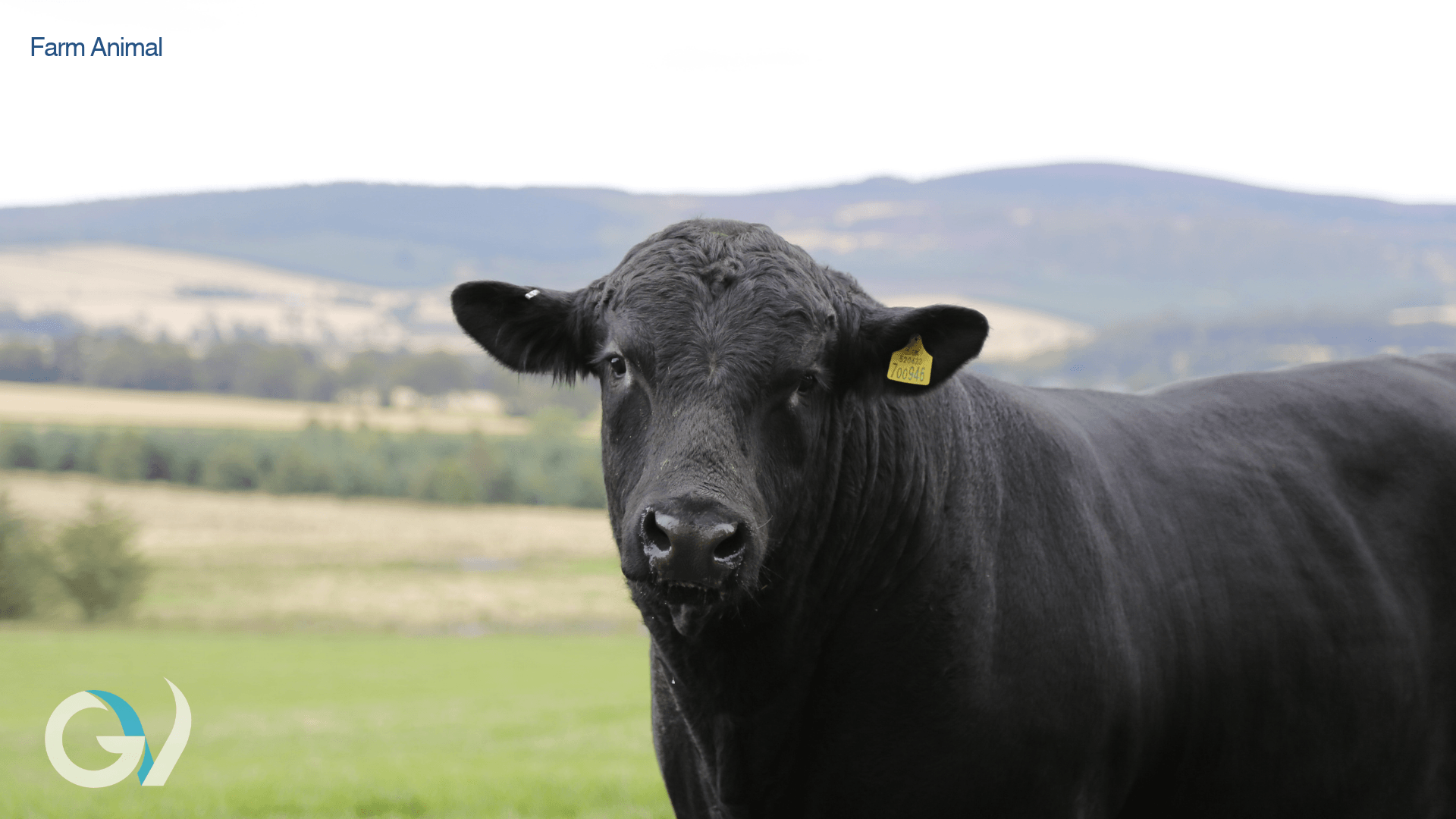
Reproductive performance of bulls in dairy herds - Getting the best from your bull team.
The Dairy Australia In Calf program has repeatedly found that many dairy herds do not have enough “mop up” bulls to maximise pregnancy rates after a period of AI and an extensive field study of bull fertility and management across dairy herds in Southwest Victoria found high rates of infertility and less than ideal management (Hancock et al., 2016).
Hancock et al. (2016) examined the management of 256 dairy bulls across 32 herds in Southwest Victoria and found 20 % of bulls were at high risk of infertility at a pre-mating breeding soundness evaluation due to poor quality semen and physical defects. By the end of mating 35 % of bulls were at high risk of infertility. They also found that in the previous 12 months, bull vaccination programs were lacking with 78 % of herds vaccinating bulls against Vibriosis, 28 % against Clostridial diseases +/- Leptospirosis (5 in 1 or 7 in1) and 6 % against Bovine Pestivirus. Only 3 % of herds tested bulls for Bovine Pestivirus antigen status. Nearly half of the study herds regularly shared bulls with other herds.
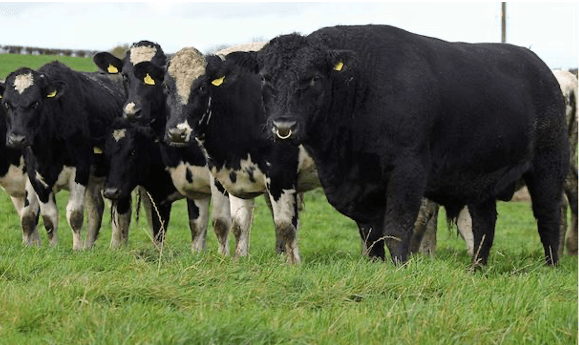
The following are the some of the best practice guidelines for bull management in a dairy herd (NB these are equally applicable to beef herds that are using AI and any forms of oestrus synchrony).
1) A minimum of 3 bulls per 100 cows present at Mating Start Date is required in seasonal or split calving herds (4 bulls per 100 cows if any form of synchronisation is used and 6 bulls per 100 cows if you are not planning to use any AI).
2) Select bulls between 18 month old and 4 years old. Younger bulls may not be fertile and older bulls are often too large or their fertility is beginning to decline - particularly once they are over 4 years old.
3) Make sure bulls are on farm 8 weeks before they are needed. This allows enough time for vaccination, fertility testing, drenching etc.
4) Ensure all bulls have a breeding soundness evaluation (physical exam and semen testing) performed each year.
5) Ensure all bulls are tested for Bovine Pestivirus. Cull any persistently infected animals immediately.
6) Ensure all bulls are vaccinated against.
- Clostridial diseases and Leptospirosis (7 in 1)
- Pestivirus.
- Vibrio.
- IBR
7) Dose bulls with trace mineral supplements (oral or injectable) if needed but at least 30 days prior to use.
8) Have 2 bull teams of evenly sized and similar temperament bulls. Cull any overly aggressive bulls as they represent a significant workplace safety risk for you, your staff and other bulls.
9) Run each bull team with the cows for a week at a time. Run all bulls for a week if synchronized cows are returning that week then resume weekly rotation.
10) Train bulls to remain in the paddock rather than walking to the dairy twice a day.
11) Observe bulls daily for lameness / back injuries / penile injuries etc - remove and treat promptly.
12) Do not share bulls with other herds and only buy virgin bulls.
More information on the management and selection of bulls can be found at the Dairy Australia and Meat and Livestock Australia websites.