&geometry(315x90) "Gippsland Veterinary Group")
Regular Hoof Care for Healthy Goats
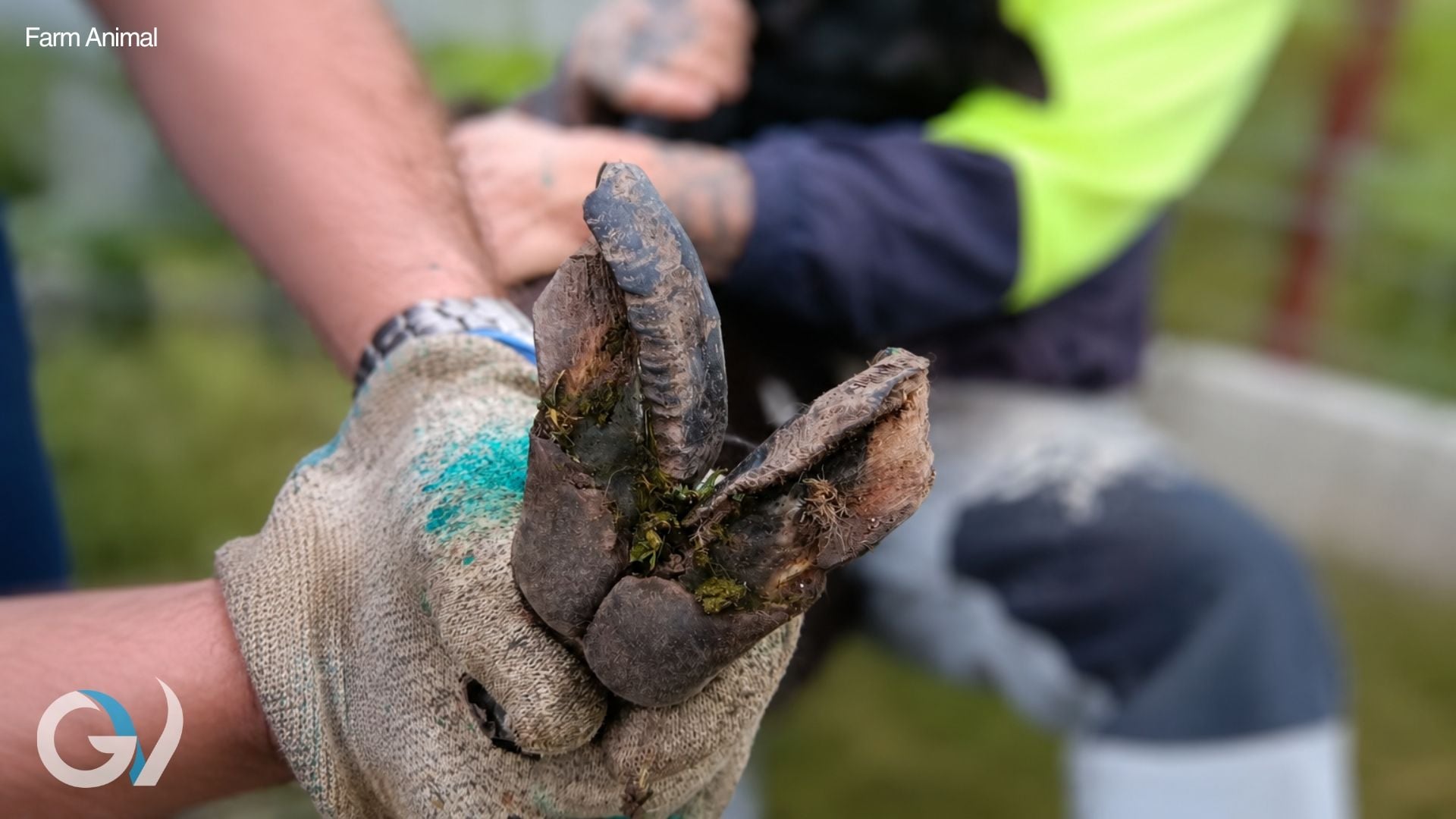
Why regular hoof care Is essential for healthy goats
Hoof trimming is one of the most important aspects of goat husbandry, and one of the most commonly overlooked. In South Gippsland, our lush pasture and soft soils mean hooves are not worn down naturally as they would be on rocky terrain, making routine trimming essential to prevent overgrowth and lameness.
The above image illustrates the consequences of neglected hoof care: overgrown, distorted hooves that trap mud and manure.
Why hooves require trimming
Goat hooves grow continuously, similar to fingernails. In the wild, rocky terrain provides natural wear, but goats kept on soft pasture often do not receive sufficient wear to maintain correct hoof length. As the hoof wall overgrows and curls, trapped dirt and moisture create an environment conducive to bacterial growth and infection.
Consequences of overgrown hooves
Pain and lameness. An overgrown hoof alters weight distribution, placing pressure on areas not designed to bear load, resulting in discomfort and pain. As goats are prey animals, they instinctively mask signs of pain, meaning lameness may be well advanced before it becomes apparent.
Joint and leg strain. Altered posture from overgrown hooves places ongoing strain on the joints, tendons and ligaments, and may contribute to lasting changes in gait even after correction.
Increased risk of infection. Trapped moisture and manure create conditions favourable to bacterial growth, increasing the risk of foot scald, foot rot, hoof wall separation, sole infections and abscesses. Many of these conditions require veterinary treatment if left unaddressed.
Reduced mobility. Discomfort leads to decreased activity and reluctance to graze, which can result in poor feed intake, weight loss, reduced body condition, lower reproductive performance and increased physiological stress.
Recommended trimming frequency
Hoof growth rate varies according to breed, age, diet, genetics and environmental conditions, so no single schedule applies to every animal. As a general guide, hooves should be assessed every four to eight weeks. Some goats may require more frequent attention, while those on rocky terrain may need less.
Signs indicating a trim is required
- Hoof walls extending beyond the sole
- Curling of the toes
- Accumulation of dirt or manure beneath the hoof wall
- Abnormal gait
- Audible clicking when the hooves contact the ground
- Reluctance to walk or climb
Prevention is preferable to treatment
Routine trimming takes only a few minutes but can prevent prolonged discomfort and more serious complications. Whether you keep a small number of pet goats or manage a larger herd, incorporating regular hoof assessments into your husbandry routine is one of the most effective ways to safeguard their long term health and welfare.
If you have concerns about your goat's hoof condition or mobility, please contact the clinic to arrange an assessment.