&geometry(315x90) "Gippsland Veterinary Group")
Puppy Vaccinations Guide | Protecting Your Puppy
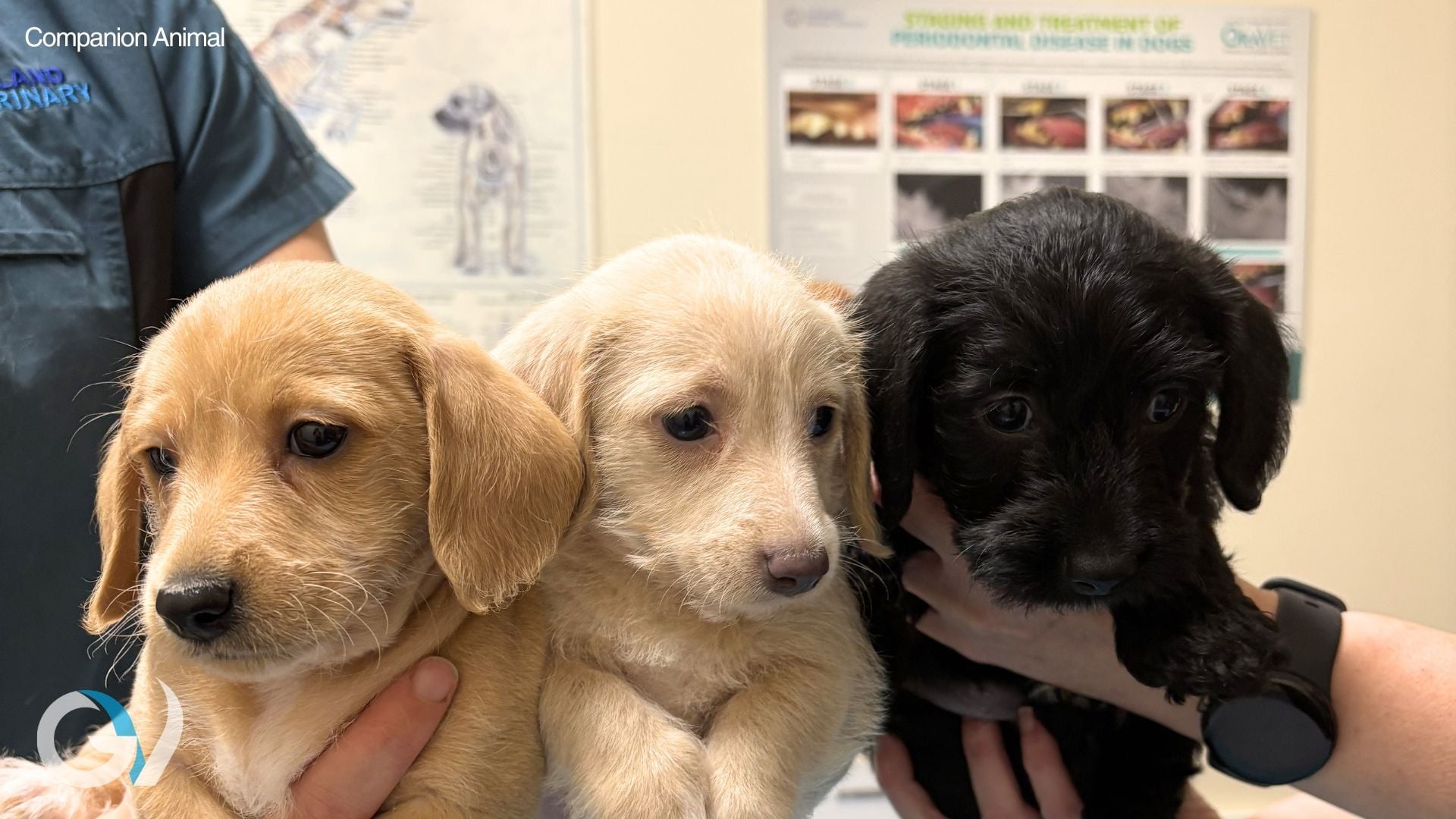
When should you vaccinate your puppy?
Bringing home a new puppy is exciting, but one of the most important things you can do early on is ensure they are protected against serious infectious diseases through vaccination.
In Victoria, puppies are commonly vaccinated against diseases including parvovirus, distemper, hepatitis and canine cough (Kennel cough) with additional protection often recommended depending on your puppy’s lifestyle and risk factors.
Why are puppy vaccinations important?
Puppies are born with some temporary immunity passed on from their mother through placental transfer and milk. While this protection is helpful early in life, it gradually wanes over the first few months.
This leaves a period where puppies may no longer have enough maternal protection, but are still too young to be fully protected on their own. Vaccinations help safely stimulate your puppy’s immune system during this vulnerable stage.
Vaccinating your puppy is one of the best ways to protect them against potentially life threatening diseases that are still seen in Australia today.
What diseases do puppy vaccines protect against?
Core puppy vaccinations in Australia generally protect against:
Canine parvovirus (CPV) - a highly contagious virus that causes severe vomiting and diarrhoea and can be fatal, particularly in young puppies
Canine distemper virus (CDV) - a serious viral disease affecting the respiratory, gastrointestinal and nervous systems
Canine infectious hepatitis (CAV-1) - a viral infection that affects the liver and other organs
Canine infectious respiratory disease complex (canine cough) - a contagious respiratory infection caused by multiple infectious agents including bacteria and viruses. Commonly spread in parks, boarding facilities, grooming salons and puppy school environments
Your veterinarian may recommend additional protection depending on your puppy’s lifestyle, travel plans or exposure risks. These include:
Canine leptospirosis - A serious bacterial infection caused by Leptospira spp., leading to symptoms such as fever, vomiting, jaundice, kidney injury, and sometimes death; it is also zoonotic, meaning it can be transmitted to people.
Puppy vaccination schedule in Victoria
Vaccination schedules can vary slightly depending on the vaccine brand used, your puppy’s age when they start vaccinations, and their individual risk factors. However, a typical puppy vaccination course in Victoria includes:
6 to 8 Weeks of Age
Your puppy’s first vaccination is usually given by the breeder, rescue organisation or previous owner.
This vaccination commonly covers:
Parvovirus
Distemper
Hepatitis
10 to 12 Weeks of Age
Your puppy receives their second vaccination.
This booster helps strengthen immunity as maternal antibodies continue to decline. Protection against canine cough should also be included at this stage.
16 Weeks of Age
Your puppy receives their final puppy vaccination. They must be over 16 weeks to receive their final vaccination
This is an important vaccine because some puppies can still carry maternal antibodies until this age, which may interfere with earlier vaccines.
For most puppies, full protection develops around 7 to 14 days after this final vaccination.
Can my puppy go outside before they finish their vaccinations?
Socialisation is extremely important during puppyhood, but it must be balanced carefully with disease risk.
Until your puppy has completed their vaccination course, it is safest to:
Avoid dog parks and high traffic public areas
Avoid contact with unknown or unvaccinated dogs
Be cautious around shared water bowls and heavily used grassed areas
Safe socialisation options may include:
Visiting vaccinated dogs in controlled environments
Carrying your puppy in public spaces
Puppy school programs that require proof of vaccination
Exposure to different sounds, surfaces, people and experiences at home
Your veterinarian can help guide what is safest for your individual puppy.
What happens after the puppy vaccinations?
After the initial puppy course, your dog will still require ongoing booster vaccinations throughout life to maintain protection.
Depending on the vaccine used and your veterinarian’s recommendations, boosters are commonly:
Given 12 months after the final puppy vaccination
Then repeated annually or every three years for certain diseases
Canine cough vaccines still require yearly boosters.
Are vaccines safe?
Vaccinations are considered very safe and serious side effects are uncommon.
Some puppies may experience mild tiredness, soreness at the injection site or reduced appetite for a day or two after vaccination. Severe reactions are rare, but if you notice vomiting, facial swelling, breathing difficulty or collapse after vaccination, contact your veterinarian immediately.
Final thoughts
Vaccinating your puppy gives them the best start in life and helps protect both your pet, the wider dog community and humans in certain cases from preventable disease outbreaks.
If you are unsure when your puppy is due for their next vaccination, or you have just welcomed a new puppy into the family, speak with our companion animal team by calling your local clinic, to create a vaccination schedule tailored to your puppy’s needs.