&geometry(315x90) "Gippsland Veterinary Group")
Microchipping Laws in Victoria: Requirements for Dogs & Cats
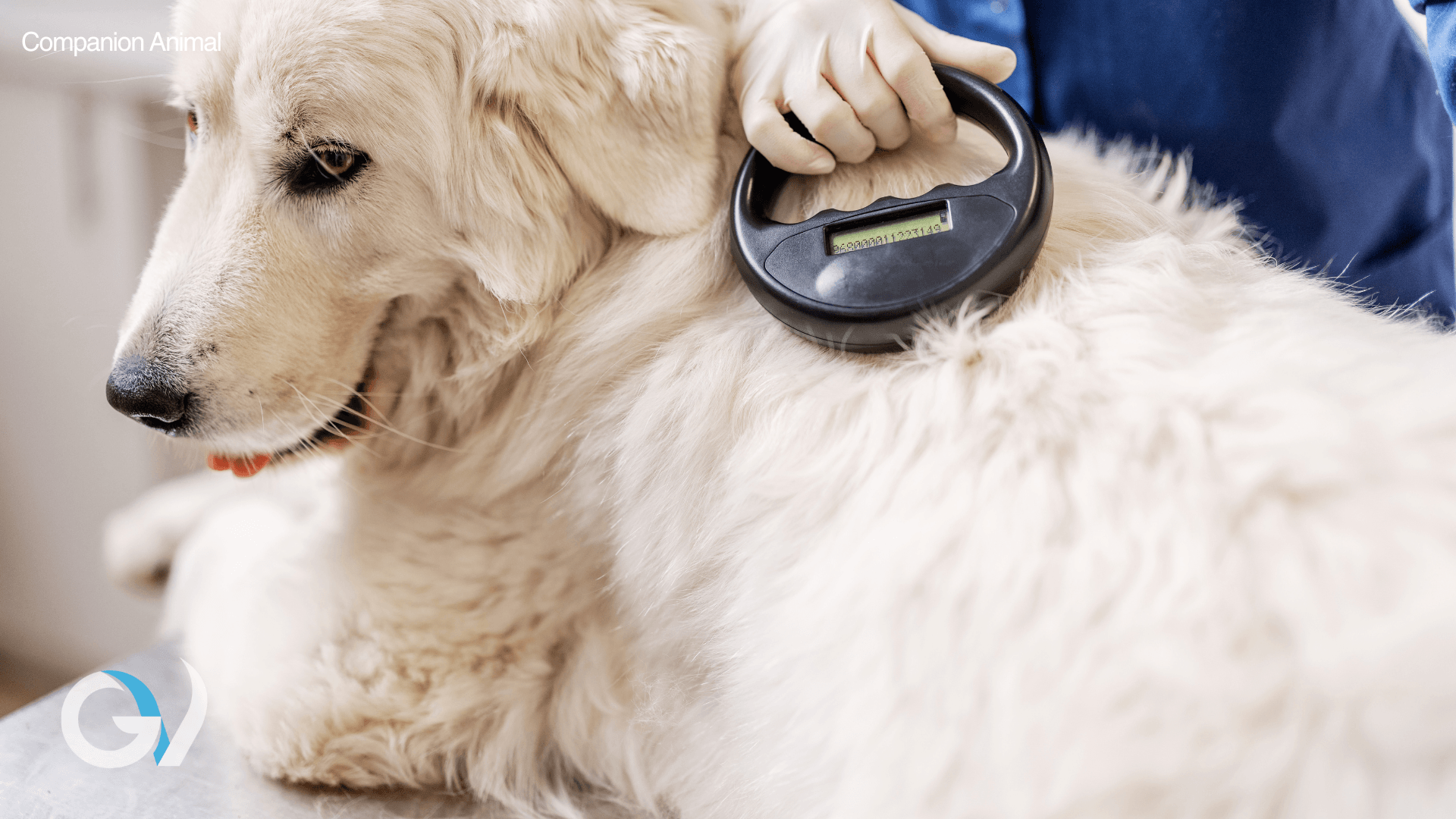
Updated microchipping laws in Victoria: what pet owners need to know
Microchipping plays a vital role in animal welfare and responsible pet ownership. In Victoria, updated legislation under the Domestic Animals Act has strengthened microchipping requirements for dogs, cats and horses, with a strong focus on traceability and accountability.
These changes help reunite lost pets with their owners, improve animal welfare outcomes, and support responsible breeding and selling practices. Here is what Victorian pet owners need to know.
Why microchipping is compulsory in Victoria
Primarily, to bring lost pets home! A microchip provides permanent identification for your pet. Unlike collars or tags, a microchip cannot be lost or removed and lasts for the lifetime of the animal. When scanned, it links your pet to a licensed registry that holds ownership and identifying details, helping vets, councils and shelters return animals home quickly.
Under Victorian law, microchipping is compulsory for dogs and cats and tightly regulated for horses.
When must dogs and cats be microchipped?
In Victoria, dogs and cats must be microchipped:
- Before being registered with a local council for the first time
- Before they are sold or given away, including private sales and accidental litters
- By 12 weeks of age, if they are to be kept by the breeder or owner
All dogs and cats aged three months and over must be registered with their local council, and microchipping is a mandatory step before this registration can occur.
Who is allowed to implant a microchip?
In Victoria, strict rules apply to who can legally implant microchips.
- Dogs and cats may be microchipped by authorised implanters, primarily veterinarians and some trained authorised staff
What is a source number?
A source number is a key part of Victoria’s strengthened traceability laws:
- Identifies the breeder, business or organisation responsible for the animal
- Issued through the Victorian Pet Exchange Register
- Becomes a permanent part of the animal’s microchip record for life
Source numbers apply to dogs and cats born on or after 1 July 2020 and must be included at the time of microchipping. Owner details may change over time, but the source number remains linked to the animal permanently.
When is a source number required?
A valid source number must be provided when:
- A dog or cat is microchipped
- A dog or cat is advertised for sale or giveaway
- An animal is sold, transferred or re-homed
All advertisements for the sale or giveaway of a dog or cat must display both the microchip number and the seller’s source number. This applies to private sales as well as breeders, pet shops and rescue organisations. Advertising without these details is an offence and may result in fines for both the seller and the advertising platform.
Keeping your microchip details up to date
While microchipping is essential, it only works if your contact details remain current.
Pet owners should:
- Check that their pet’s microchip is registered on a Victorian licensed database
- Update contact details promptly if they change address or phone number
- Ask their veterinarian to scan their pet’s microchip during routine visits
How GVG can help
Your local GVG veterinary clinic can:
- Microchip dogs, cats and horses in line with Victorian legislation
- Answer questions about source numbers and compliance
If you are unsure whether your pet is correctly microchipped or registered, please contact your local GVG veterinary clinic for advice.
Why your pet’s microchip is scanned at veterinary visits
You may notice that your veterinary team scans your pet’s microchip when they visit the clinic, even if they have been microchipped for years. This is an important part of ensuring your pet’s identification remains accurate and compliant with Victorian legislation.
Microchip scanning allows the clinic to:
- Confirm that the microchip is still readable and functioning
- Verify that the microchip number matches what is recorded on approved databases
- Check that ownership and contact details are current
- Identify and correct any errors early, before they cause problems if your pet is lost, sold or transferred
Outdated or incorrect microchip records are one of the most common reasons lost pets cannot be reunited with their owners. Routine scanning helps prevent this and supports better animal welfare outcomes.
References
This article is based on guidance from Animal Welfare Victoria and Central Animal Records (car.com.au). For further information, please visit Agriculture Victoria’s microchipping information.