&geometry(315x90) "Gippsland Veterinary Group")
Iodine Deficiency in Livestock | Cattle and Sheep
Iodine deficiency in sheep and cattle
Much of the high-rainfall hill country in South Gippsland has long been known for iodine deficiency in both people (historically before iodine was included in salt, bread etc) and livestock. Sheep and goats are especially sensitive to iodine deficiency but it can occur in cattle as well.
Iodine deficiency is highly seasonal with pasture iodine being highest in the summer months, quickly declining after the autumn break and remaining low throughout winter and spring. Livestock need a diet that contains at least 0.5 mg/kg DM iodine with obvious signs of deficiency occurring if these levels fall below 0.2 mg/kg DM.
Occasionally, brassica crops can be high in compounds that bind iodine resulting in a secondary deficiency.
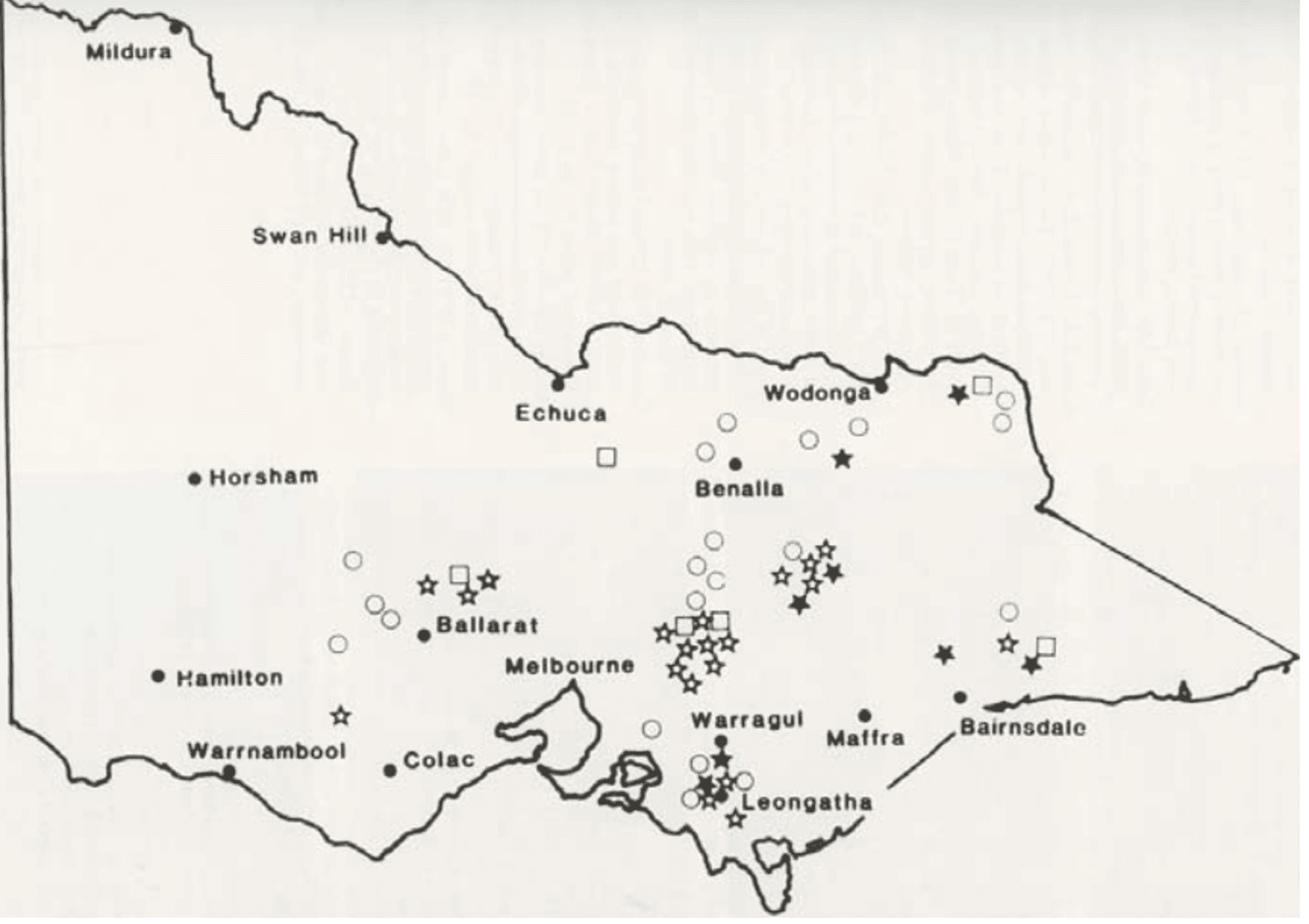
Figure 1. Sites of reported iodine deficiency in stock from the 1980’s (Caple et al., 1980)
Lambs born between August and October are most at risk of Iodine deficiency, particularly in a wet year. Low iodine levels in pastures while ewes are pregnant can result in lamb that have poor survivability (especially in cold weather), enlarged thyroid glands (goitre) and a thin, scant coat. Iodine deficient calves are often weak with a poor suckle reflex and have reduced growth rates. Goitre is not common in calves. In adult cattle, iodine deficiency can impact milk production and have a negative effect on reproduction.
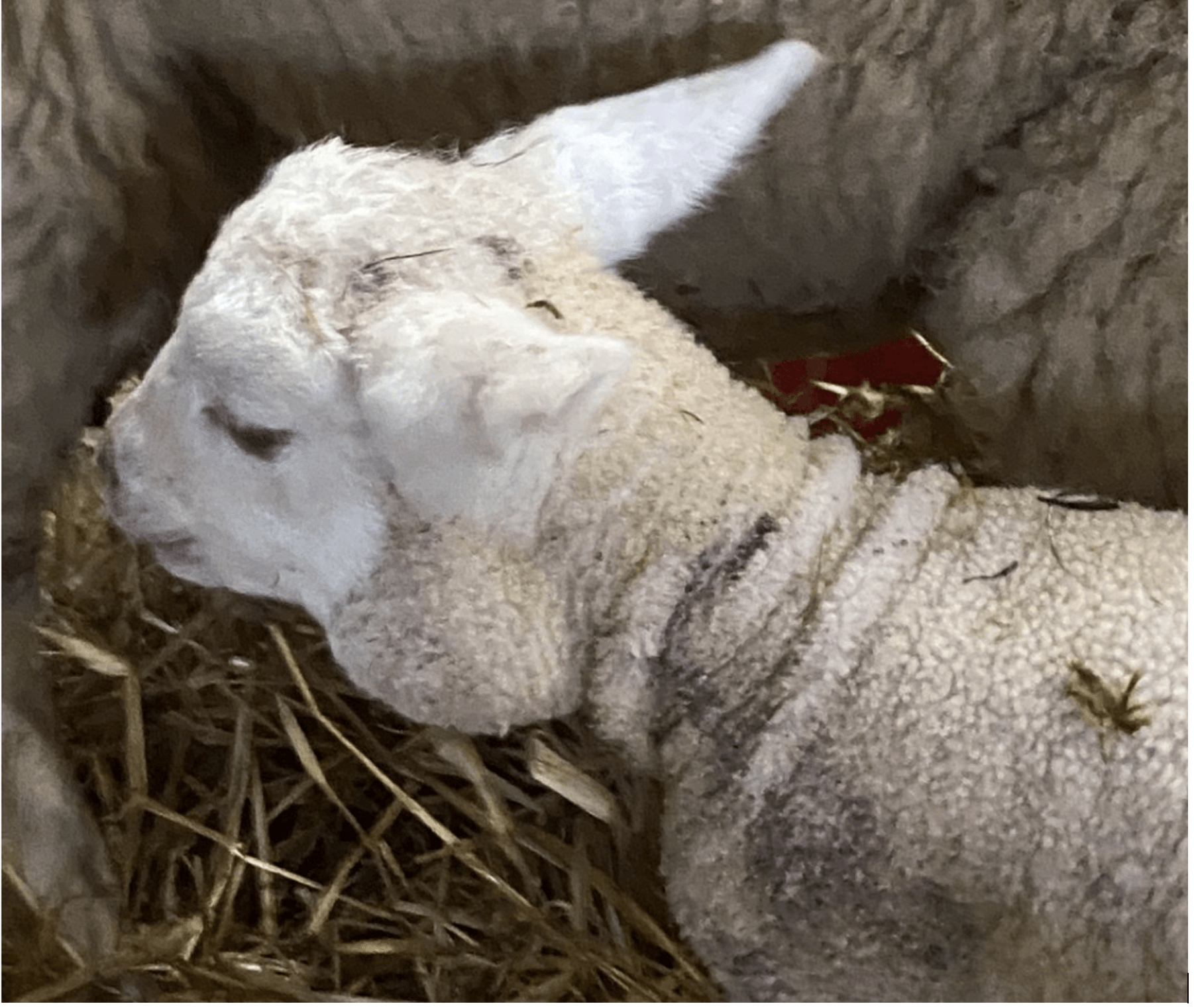
Figure 2. Lamb with enlarged thyroid glands (Goitre).
A diagnosis of iodine deficiency is strongly suspected if any calves or lambs have goitre and can be confirmed with blood or milk testing. Pasture and fodder analysis will also reveal iodine deficient feeds.
Regular prevention is generally restricted to sheep and goats and even then only in spring lambing flocks and after heavy winter rainfall years. Drenching ewes in the third and fourth trimester with 280 mg of potassium iodide will prevent iodine deficiency in lambs. Trace mineral boluses that contain iodine are available overseas for sheep and may become available in Australia in the next year or so.
Iodine concentrations in milk for human consumption are tightly regulated. It is possible for violations to occasionally occur during summer months, when iodine intake is already high, if trace mineral mixes contain high levels of iodine or there is contamination of milk with iodine containing teat sprays.