&geometry(315x90) "Gippsland Veterinary Group")
IgG Testing in Newborn Foals
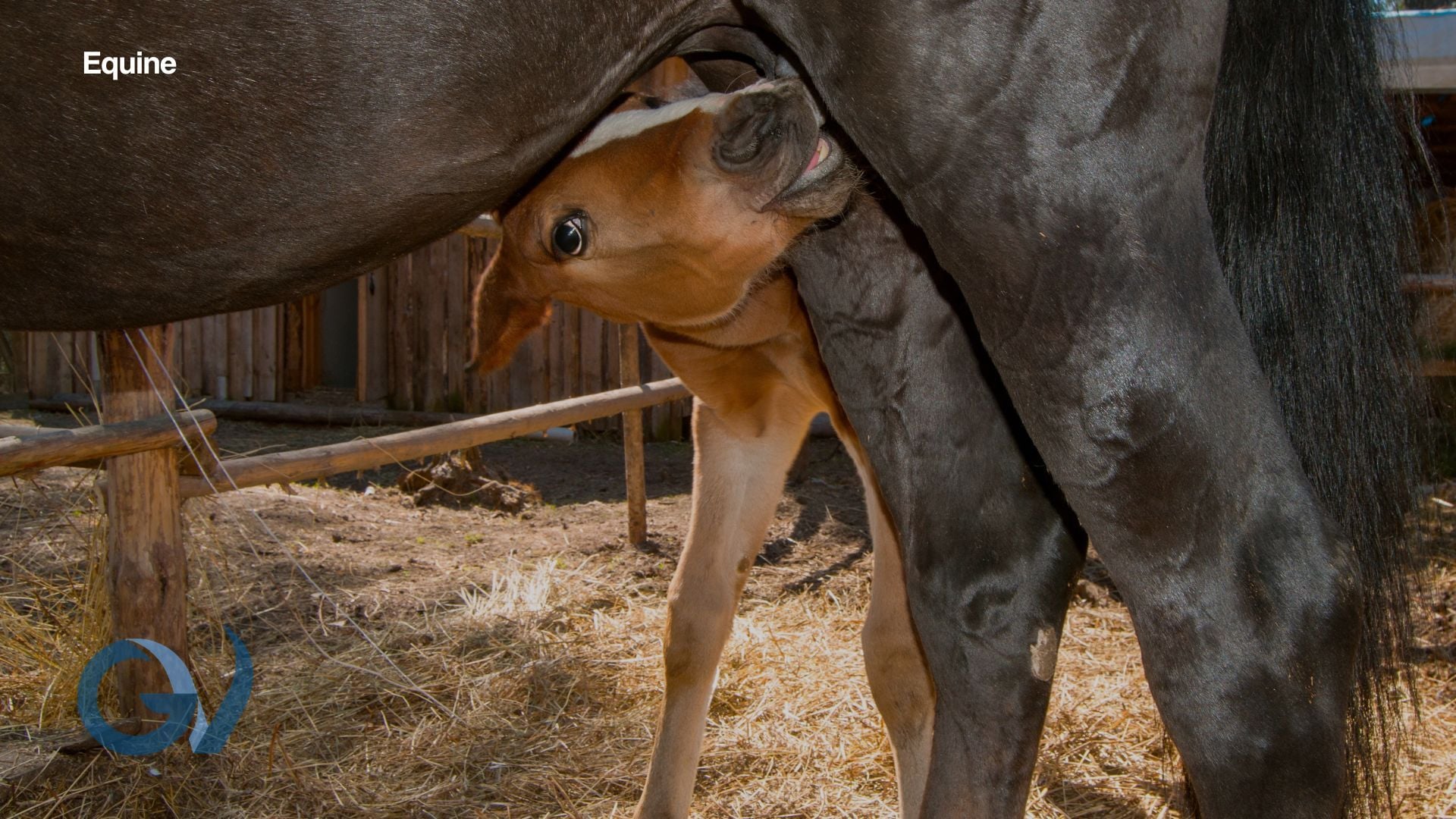
Foaling season is exciting, but it’s also a critical time for ensuring your newborn foal gets the best start in life! One of the most important steps in those first 24 hours is checking IgG levels.
What is IgG and why does it matter?
Antibodies are essential blood proteins that form a key part of the immune system. Unlike humans, foals are not born with protective antibodies. Instead, they absorb them from their dam’s colostrum during the first 24 hours after birth.
The most important antibody is immunoglobulin G (IgG). It helps protect foals from serious infections such as sepsis, pneumonia, and joint ill.
If a foal doesn’t absorb enough IgG from colostrum; a condition called failure of passive transfer (FPT), it faces a high risk of developing life-threatening illness.
IgG testing is simple and quick. A blood sample taken at 12-24 hours after birth tells us if your foal has adequate immunity.
What if levels are low?
If IgG is low, time is critical. After 24 hours, the foal’s gut “closes,” and oral colostrum supplementation becomes ineffective. At that point, the only reliable way to raise IgG levels is an intravenous plasma transfusion, usually at least 1 litre, administered by your veterinarian.
Preventive strategies:
Ensure early nursing: foals should nurse within 2 hours of birth.
Schedule IgG testing: every foal should be tested at 12-24 hours for timely intervention.
- Plan ahead: Talk to your veterinarian about including IgG testing in your foaling plan.
Bottom line: early IgG testing can save lives. Make it a standard part of your foaling season routine.