Hendra Virus | Protecting Your Horse
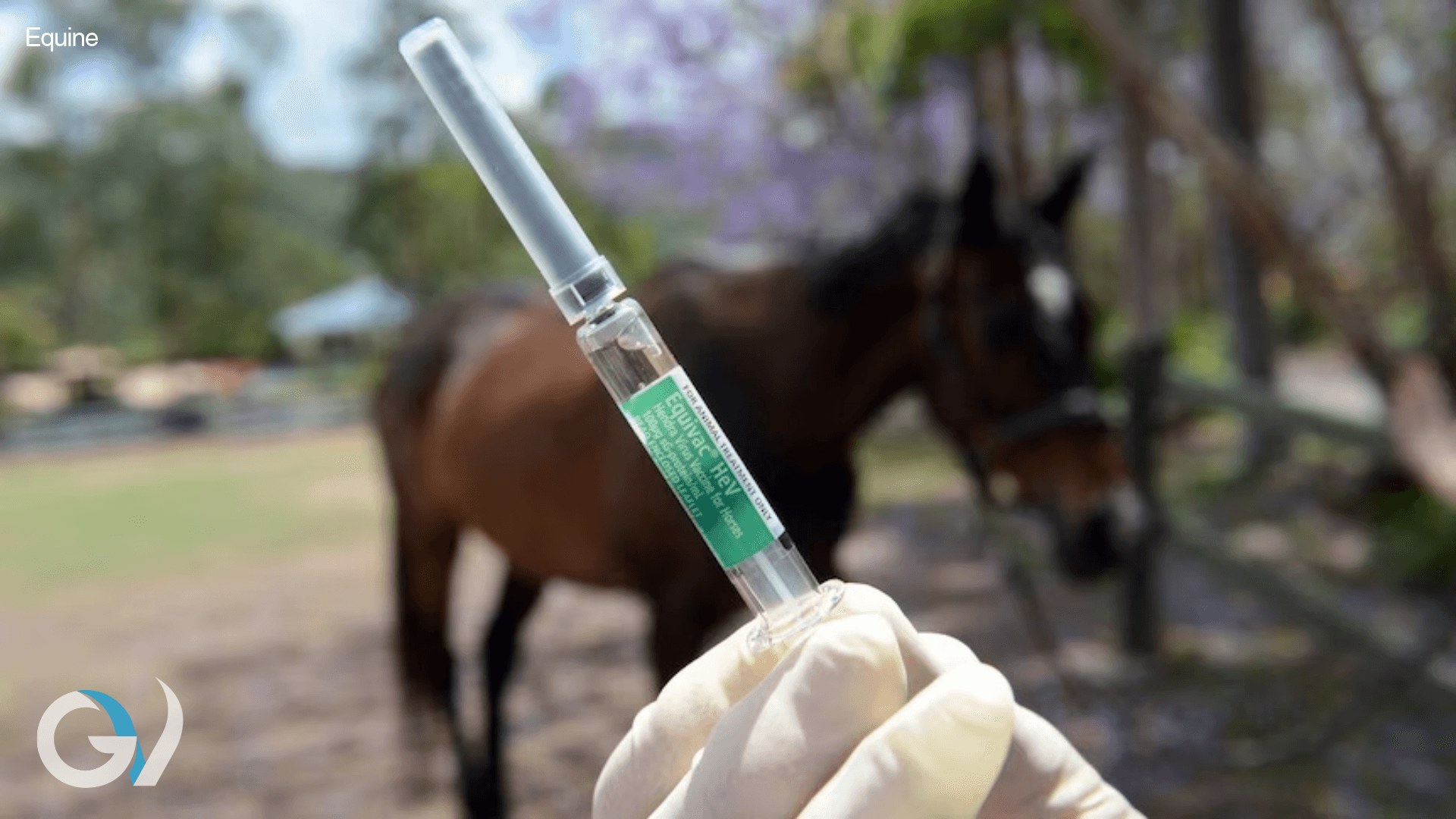
Vaccinating your horse for Hendra Virus
Hendra virus is a rare but serious disease that horse owners in Australia should be aware of. While the risk is considered lower here in southern Victoria than in areas of Queensland and New South Wales where horse cases have occurred, Hendra virus remains an important consideration for horse owners, particularly for horses travelling interstate.
Vaccination is the most effective way to help protect horses against Hendra virus and helps reduce the risk of transmission to people.
What is Hendra virus?
Hendra virus is a potentially fatal disease that can be transmitted from flying-foxes to horses. Infected horses can then transmit the virus to people and other susceptible animals through close contact.
The disease can cause severe illness in horses, with signs varying considerably between cases. These may include fever, increased heart or respiratory rate, difficulty breathing, depression, weakness and neurological signs such as an uncoordinated gait, muscle twitching or abnormal behaviour.
Because there are no clinical signs that are specific to Hendra virus, veterinary assessment and laboratory testing are required when the disease is suspected.
Is Hendra virus a risk in Victoria?
Historically, confirmed cases of Hendra virus in horses have occurred in Queensland and New South Wales, meaning horses in southern Victoria are generally considered at lower risk.
However, Hendra virus has been detected in flying-fox populations further south, including Victoria, and areas where flying-foxes and horses coexist may still carry some risk.
For Victorian horse owners, it is particularly important to consider Hendra vaccination if your horse travels interstate for competitions, breeding, racing, training or other equestrian activities. Horses travelling into areas where Hendra virus has previously occurred may have a greater potential for exposure.
How can I reduce the risk?
Vaccination is the most effective way to help protect your horse against Hendra virus.
Good biosecurity practices are also important. Horse owners can help reduce contact between horses and flying-foxes by keeping feed and water containers away from trees where flying-foxes may feed or roost, particularly when trees are flowering or fruiting.
If your horse becomes suddenly unwell, particularly following interstate travel or potential exposure to flying-foxes, contact your veterinarian promptly and let them know of any recent travel history or possible exposure.
Vaccination
Hendra vaccination is available for horses in Australia and must be administered by a veterinarian.
Your veterinarian can establish an appropriate Hendra vaccination program for your horse based on:
Their current vaccination status
Age and health
Location and potential exposure to flying-foxes
Competition and travel commitments
Planned interstate travel
Keeping your horse's vaccination up to date is particularly worth considering before travelling interstate, especially when heading into areas where Hendra virus has previously been detected in horses.
If you are planning a trip with your horse, speak with your veterinarian ahead of time so there is enough time to establish or update their vaccination program before travelling.
Travelling interstate with your horse
If you regularly travel with your horse, Hendra vaccination should form part of your overall travel and biosecurity planning.
Even if your horse lives permanently in Gippsland, travelling interstate can change their level of risk. Competitions, clinics, breeding properties, training facilities and other equestrian events can take horses into different environments and regions.
Having an appropriate vaccination program in place before travelling helps provide protection while your horse is away from home.
Protect your horse - and yourself
While Hendra virus may be a lower risk for horses living in southern Victoria, it is a serious disease and one worth considering as part of your horse's preventative health program.
Vaccination, good biosecurity and early veterinary attention are the best tools available to help reduce the risk.
Speak with your veterinarian about whether Hendra vaccination is appropriate for your horse, particularly if you compete, travel interstate or regularly move your horse between properties.
A simple conversation before travelling can help make sure your horse's vaccinations are up to date and appropriate for where they are going.
Vaccination Schedule
Hendra vaccination is available for horses in Australia and must be administered by a veterinarian.
For horses starting their Hendra vaccination course, the general schedule is:
First vaccination
Second vaccination: 3-6 weeks after the first dose
6-month booster: 6 months after the second dose
Annual booster: every 12 months thereafter
Foals can generally commence Hendra vaccination from four months of age, although the appropriate timing can depend on the vaccination status of the mare. Your veterinarian can advise when your foal should commence vaccination.
It is important to keep boosters up to date. If your horse becomes overdue, speak with your veterinarian, as the vaccination schedule required may depend on how long the horse has been overdue.
For horses in southern Victoria, Hendra virus is considered a lower risk than in areas where cases have historically occurred. However, vaccination is still worth considering, particularly if your horse travels interstate for competitions, breeding, training or other equestrian activities.
If you are planning to travel, speak with your veterinarian well ahead of your trip to make sure your horse's vaccination schedule is appropriate and up to date.