&geometry(315x90) "Gippsland Veterinary Group")
Helping Anxious Pets at the Vet
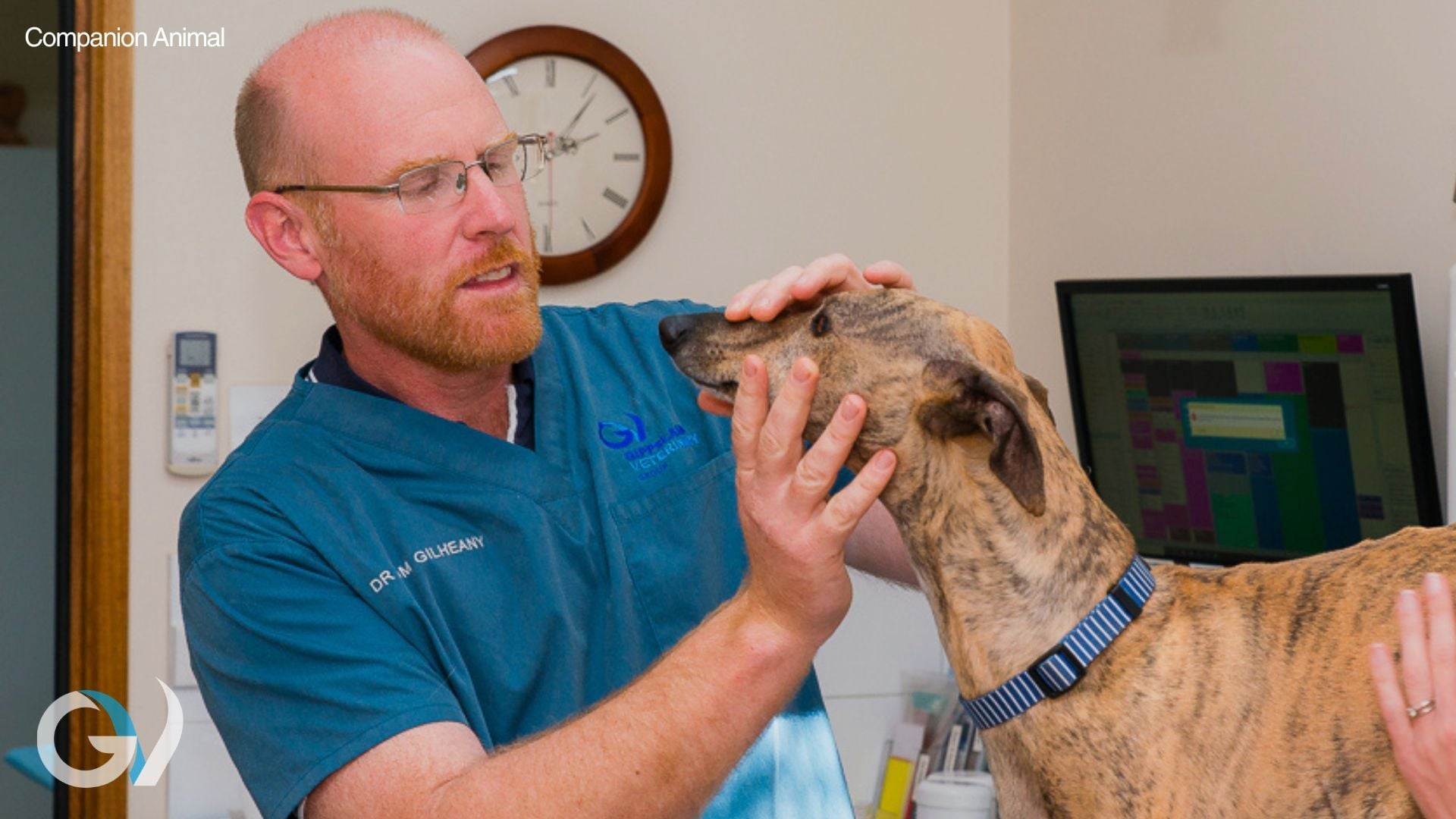
Why behaviour matters at the vet & how appropriate pre-visit medication can help
For many pets, a trip to the veterinary clinic can feel overwhelming. New smells, unfamiliar people, strange noises, other animals, and handling during examinations can all contribute to fear and anxiety. While some pets cope well, others may become highly stressed, reactive, or fearful during veterinary visits.
At GVG, we feel that your pet’s emotional wellbeing matters just as much as their physical health. One of our biggest priorities is ensuring veterinary visits are as calm, safe, and low-stress as possible for your pet, for you as the owner, and for all clinic staff including veterinarians and nurses. We want vet visits to be a positive experience for all involved, not a stressful one.
Behaviour is an important part of veterinary care
Behaviour during a consult is not about whether a pet is “good” or “bad”. Fear and anxiety are natural emotional responses, and many pets react defensively when they feel unsafe, overwhelmed or in pain.
Some pets may tremble, pant, vocalise, hide, freeze, or try to escape. Others may growl, hiss, bark, or snap when frightened. Even pets who are normally friendly at home can struggle in a clinical environment, especially if they are in pain or unwell.
This is especially common in pets who:
- Have had previous negative experiences
- Are in pain or feeling unwell
- Have limited socialisation
- Are naturally anxious or fearful
- Are older and experiencing cognitive changes
Recognising stress and anxiety early allows us to provide kinder and more effective veterinary care.
Why reducing anxiety matters
When a pet is highly stressed, it can make examinations more difficult, less accurate and unsafe for all involved. Anxiety can affect heart rate, breathing, temperature, and blood pressure, which may interfere with assessments and diagnostics.
Stress can also increase the risk of injury to the pet, the owner, and clinic staff. A frightened animal is more likely to react defensively, even if they would never normally show aggression at home.
Our goal is never to simply “push through” fear. Instead, we focus on creating the safest and least stressful experience possible for everyone involved.
What is a pre-visit pharmaceutical (PVP)?
A PVP is a medication prescribed by a veterinarian to help reduce fear, stress, and anxiety before a veterinary appointment. It is given at home prior to coming into the clinic, helping pets feel calmer and more comfortable during travel, handling, examinations, and procedures.
PVPs are commonly recommended for pets who become highly anxious, fearful, overwhelmed, or reactive during veterinary visits. This may include pets who shake, vocalise, attempt to escape, hide, or show defensive behaviours such as growling, hissing, or snapping when stressed.
Timing is important when it comes to pre-visit pharmaceuticals. These medications work best when they are given before a pet becomes highly stressed or fearful. Once a pet is already in a heightened state of anxiety, adrenaline and fear responses can make it much harder for pharmaceuticals to have their full effect. This is why veterinarians often recommend giving a PVP well before leaving home, exactly as directed. The aim is to help reduce anxiety before the stressful experience begins, rather than trying to manage fear once the pet is already overwhelmed.
Much like some people take medication to help manage anxiety before flying, PVPs can help reduce a pet’s fear and stress before a veterinary visit so the experience feels less overwhelming and traumatic.
A veterinarian may recommend a PVP if:
- A pet has a history of fear or anxiety at the clinic
- Previous visits have been highly stressful
- A pet cannot be safely or thoroughly examined due to stress
- There are concerns for the safety of the pet, owner, veterinarians, or nurses
- The pet requires procedures or handling that may otherwise cause significant distress
Every pet is different, and PVPs are selected carefully based on the individual animal’s health, temperament, and needs. Like all drugs there is a dose range and sometimes it may take 1-2 trials to find that perfect level of PVP regime for your pet. In many cases, using a PVP can help create more positive veterinary experiences over time and reduce the fear associated with future visits.
A low-stress approach to veterinary care
Pre-visit pharmaceuticals are only one part of a low-stress approach to veterinary care. Our team also focuses on gentle handling, positive reinforcement, patience, and creating a calm environment wherever possible.
We understand that discussing behavioural concerns can sometimes feel uncomfortable for owners, but there is absolutely no judgement from your veterinary professionals. Behaviour is an important part of your pet’s health and welfare, and understanding their stress levels helps us provide the best possible care.
If your pet becomes anxious, fearful, or reactive during veterinary visits, please let our team know before your appointment. Small changes, including the use of pre-visit pharmaceuticals in appropriate cases, can make a significant difference to your pet’s comfort, safety, and overall experience at the clinic.
Our shared goal is simple. Compassionate veterinary care with the least amount of fear, stress, and anxiety possible for pets, owners, veterinarians, and nurses alike.
Please ask your local GVG clinic team about the best behavioural plan and PVP regime for your pet.