&geometry(315x90) "Gippsland Veterinary Group")
Equine Dentistry and Sedation | Why Regular Dental Care Matters
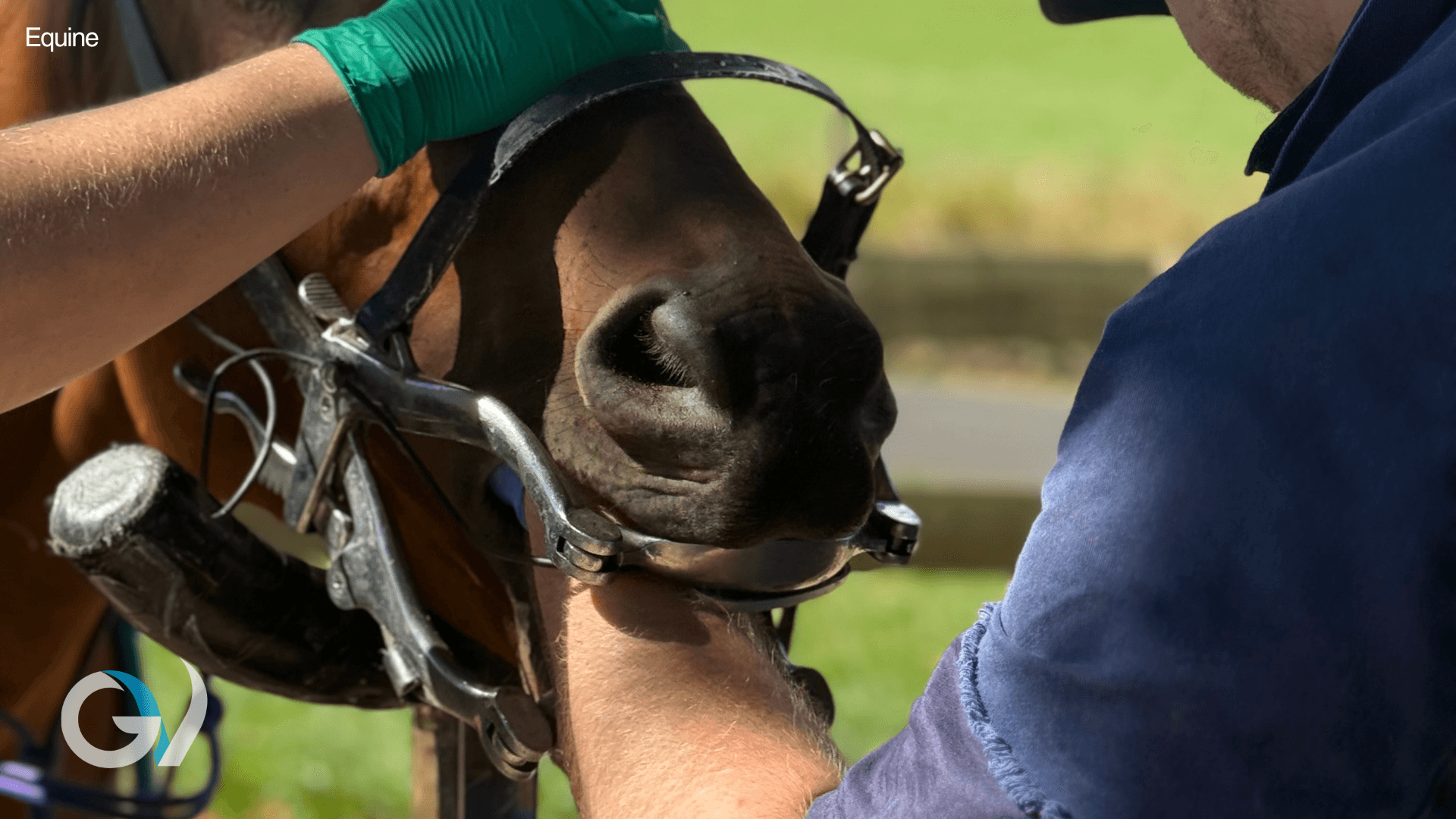
Why regular dental care and sedation are essential for your horse’s comfort, health, and performance.
Regular dental care is an important part of keeping horses healthy, comfortable, and performing at their best. A horse’s teeth continuously erupt and change throughout much of their life, which means dental abnormalities can gradually develop over time.
One common misconception is that horses’ teeth “keep growing” throughout their lives. In reality, horses are born with a finite amount of tooth reserve already present within the skull. As the chewing surface gradually wears down over time, more of the tooth slowly erupts from the gumline to replace what has been worn away.
Because of this continual eruption and wear, uneven wear patterns and dental abnormalities can develop as horses age. Without regular examinations, these issues may progress unnoticed and lead to pain, difficulty chewing, weight loss, behavioural changes, and reduced performance under saddle.
Some signs of dental disease can include:
- Dropping feed while eating
- Difficulty maintaining condition
- Resistance to the bit
- Bad breath
- Head tossing or changes in behaviour under saddle
- Slow eating or quidding hay
However, many horses show very subtle signs, and some show no obvious symptoms at all until disease becomes advanced. This is why routine dental examinations are so important, even in horses that appear healthy.
All horses, whether young or old, can be prone to dental issues and require regular assessments.
Why sedation is so important during equine dentistry
Sedation is a very important part of modern equine dentistry, not simply because it helps keep horses calm, but because it allows for a far more thorough and accurate examination of the entire mouth.
A horse’s molar teeth sit a long way back in the mouth, and these back molars are some of the most common places for significant dental abnormalities to develop. Sharp enamel points, hooks, ulcers, fractured teeth, and uneven wear patterns are frequently found in these areas.
Without sedation, it can be very difficult to safely and properly examine the back of the mouth. Even very quiet horses naturally find it uncomfortable to hold their mouths fully open for long periods while dental equipment, mirrors, and lights are used deep within the oral cavity.
Sedation allows the horse to relax comfortably so a full mouth speculum (gag) can be placed safely and the veterinarian can thoroughly assess all surfaces of the teeth, including the very back molars. This level of examination is essential because problems hidden in these areas may otherwise go undetected.
Sedation also allows dental treatment to be carried out more precisely and safely. When a horse is relaxed and still, adjustments to the teeth can be performed accurately, helping achieve a better result while reducing the risk of accidental injury. Sedation does not simply relax a horse’s body physically, it also has important anti-anxiety and calming effect, helping horses feel more comfortable, less stressed, and have a more positive experience during the procedure.
Benefits of sedation during equine dentistry include:
? A more thorough examination of the entire mouth
? Better access to the back molars
? More accurate dental treatment
? Improved comfort for the horse
? Increased safety for both the horse and veterinary team
When performed by an experienced veterinarian, sedation is very safe for the vast majority of horses and is considered the gold standard for proper equine dental care.
Preventive dental care supports long term health
Routine dentistry is about much more than simply “floating teeth”. Good dental health supports proper chewing, digestion, body condition, comfort, and ridden performance throughout a horse’s life.
Regular examinations also allow dental problems to be identified and treated early before they become more serious or painful.
If your horse is due for a dental check, or if you have noticed any changes in eating habits, behaviour, or performance, booking a dental examination is an important step in supporting their long term health and wellbeing.