&geometry(315x90) "Gippsland Veterinary Group")
Companion Animal Dentistry | Why Prevention Matters
Dentistry for your Pet - Why Prevention Matters More Than Cure
When people think about keeping their pet healthy, they often focus on vaccinations, nutrition and parasite prevention. Dental health is frequently overlooked, yet dental disease is one of the most common conditions affecting dogs and cats. By three years of age, the majority of pets already have some degree of periodontal disease, often without their owners realising it.
The challenge is that dental disease develops gradually and pets are incredibly good at hiding discomfort. Many animals continue eating and behaving normally despite having painful teeth and gums. By the time obvious signs appear, significant damage may already have occurred.
More than just bad breath
Bad breath is often the first sign owners notice, but dental disease is much more than a cosmetic issue.
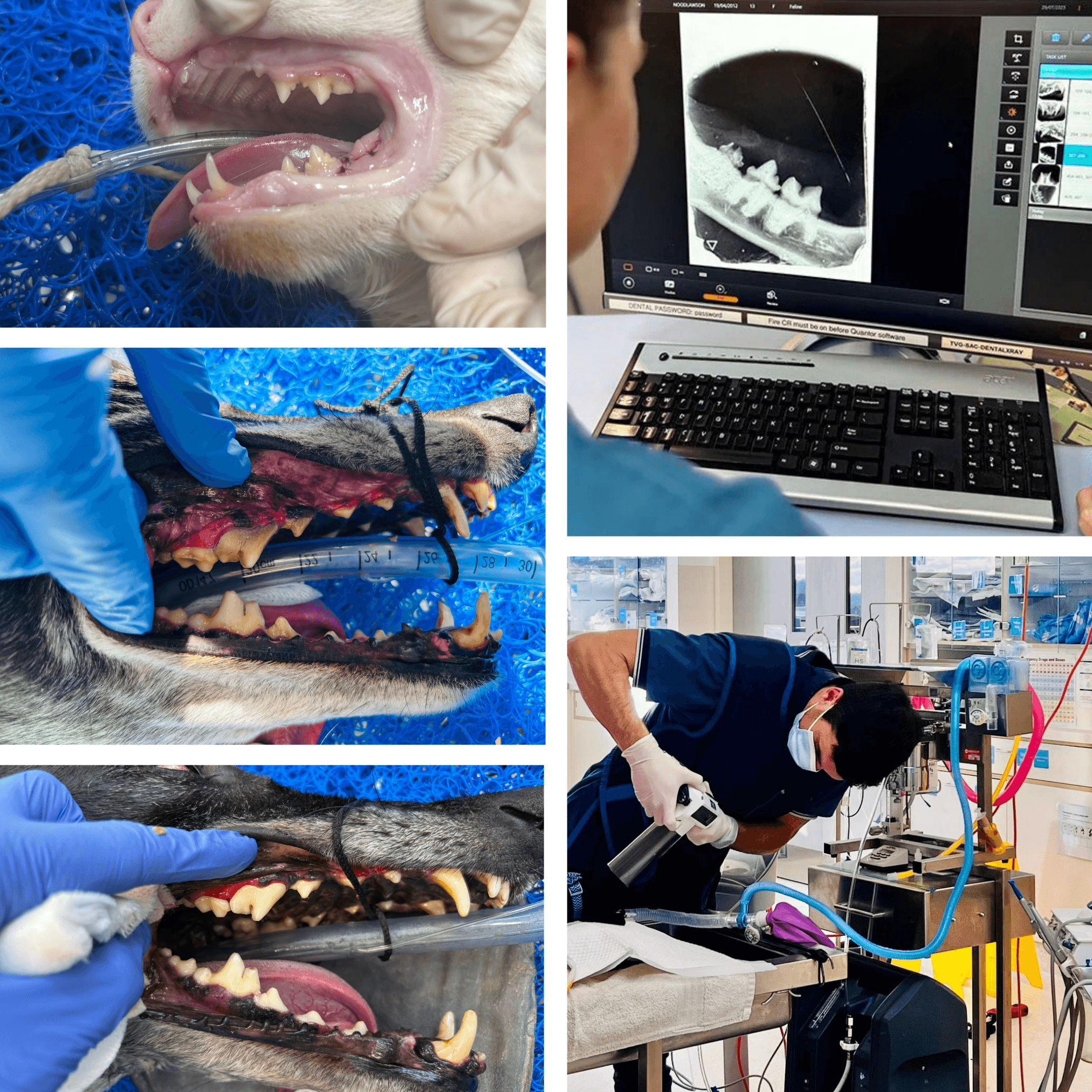
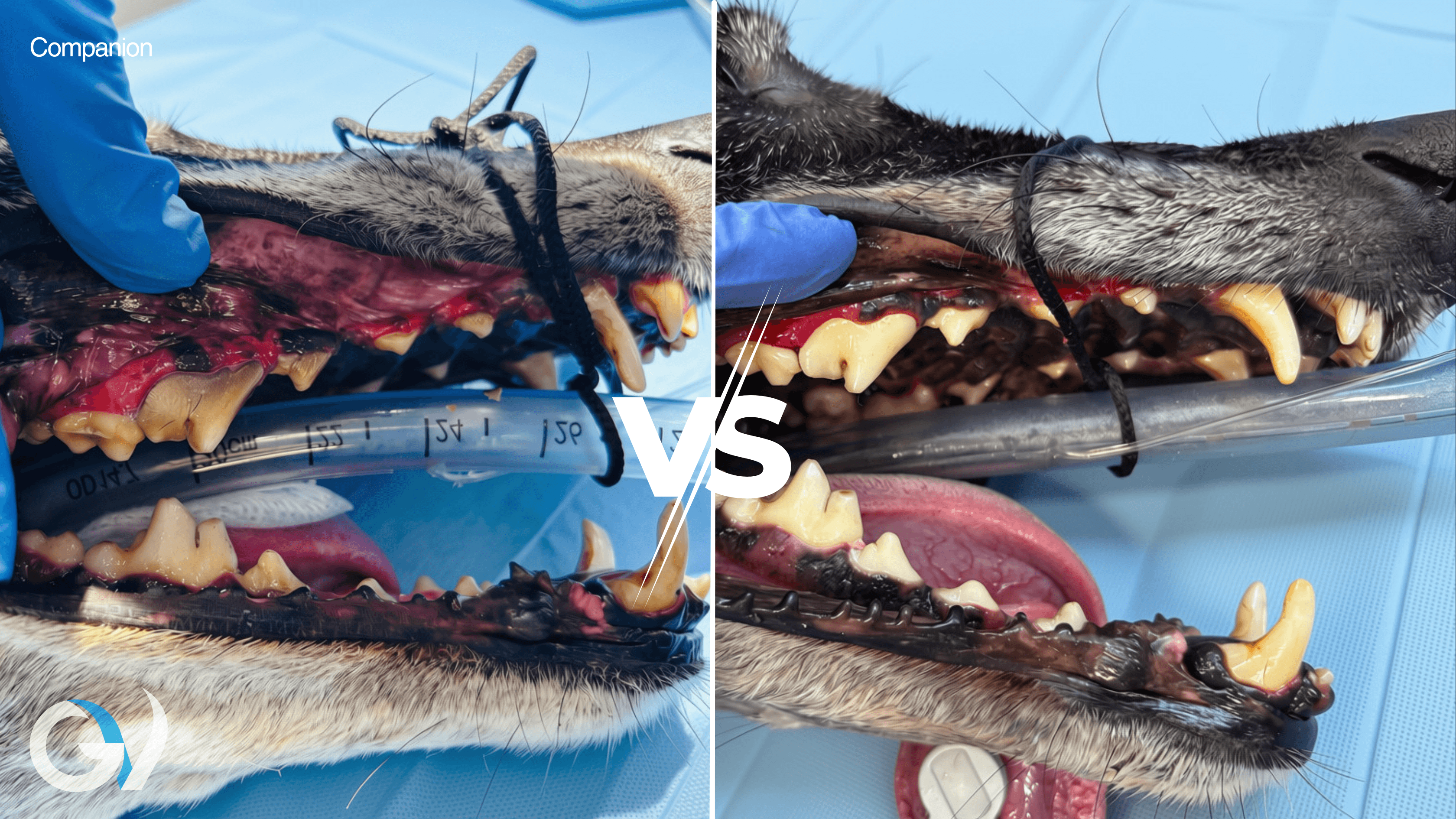
It begins with plaque accumulation on the teeth. If this plaque is not removed, it hardens into tartar and creates an environment where bacteria can thrive. Over time, these bacteria cause inflammation and infection of the gums and structures supporting the teeth.
As dental disease progresses, pets can experience:
- Chronic pain and discomfort
- Inflamed or bleeding gums
- Loose or missing teeth
- Tooth root abscesses
- Difficulty chewing and eating
- Reduced quality of life
Unfortunately, these changes often occur slowly, making them easy to miss.
Why poor dental health affects the whole body
The impact of dental disease is not limited to the mouth.
When infection is present around the teeth and gums, bacteria can enter the bloodstream and travel throughout the body. Over time, this may contribute to inflammation, damage and disease in important organs such as the heart, liver and kidneys.
This means looking after your pet's teeth is not simply about maintaining a healthy smile. It is an important part of supporting their overall health and wellbeing throughout life.
Pets often hide dental pain
One of the most common comments veterinarians hear is, "They seem fine at home."
Unlike people, pets rarely show obvious signs of oral pain. In the wild, displaying pain can make an animal vulnerable, so dogs and cats are naturally inclined to hide discomfort.
Signs that may indicate dental disease include:
- Bad breath
- Red or swollen gums
- Yellow or brown tartar build up
- Drooling
- Dropping food while eating
- Chewing on one side of the mouth
- Pawing at the face
- Reluctance to eat hard food
However, many pets show very few signs until disease is quite advanced. Their will to eat is high, so not eating is not a good sign to use to indicate issue.
Prevention is easier than treatment
One of the biggest misconceptions surrounding companion animal dentistry is that dental procedures are only necessary when a pet's teeth become visibly bad.
In reality, routine dental care is most effective when problems are addressed early.
Regular dental examinations and preventative scale and polishes allow plaque and tartar to be removed before they cause irreversible damage. They also allow your veterinarian to identify emerging issues long before they become painful or require extractions.
Waiting until a pet has severe dental disease often means:
- More extensive treatment
- Greater discomfort for the pet
- A higher likelihood of tooth loss
- More advanced infection and inflammation
- Increased treatment costs
Much like human dentistry, maintaining oral health is generally simpler, less invasive and more affordable than treating advanced disease.
What does a scale and polish achieve?
A professional scale and polish is far more than a cosmetic clean.
The procedure removes plaque and tartar from above and below the gum line, where disease often develops out of sight. It also allows a thorough assessment of the teeth and gums and helps identify problems before they become serious.
Hand scaling in a conscious patient can do more damage to the tooth surface and cause further dental disease. An ultrasonic scale and polish should be performed under general anaesthetic.
For many pets, routine preventative dental procedures can reduce the need for major treatment later in life and help maintain comfort and function as they age.
Supporting dental health at home
Professional dentistry is only one part of the picture. Good home dental care can significantly slow the progression of dental disease between veterinary visits.
The most effective strategy is regular tooth brushing. Dental diets, chews and other veterinary-recommended dental products can also play a helpful role as part of an overall dental care plan.
A healthier mouth, a happier pet
Companion animal dentistry is about much more than keeping teeth clean. It is about preventing pain, reducing infection, protecting long term health and maintaining quality of life.
Routine dental checks and preventative scale and polishes allow problems to be managed early, before they become painful and costly. Just as we prioritise vaccinations and preventative healthcare, dental care should be considered an essential part of every pet's wellbeing.
After all, prevention is always better than cure, especially when it comes to your pet's teeth.