&geometry(315x90) "Gippsland Veterinary Group")
Colic - While you wait for your Vet
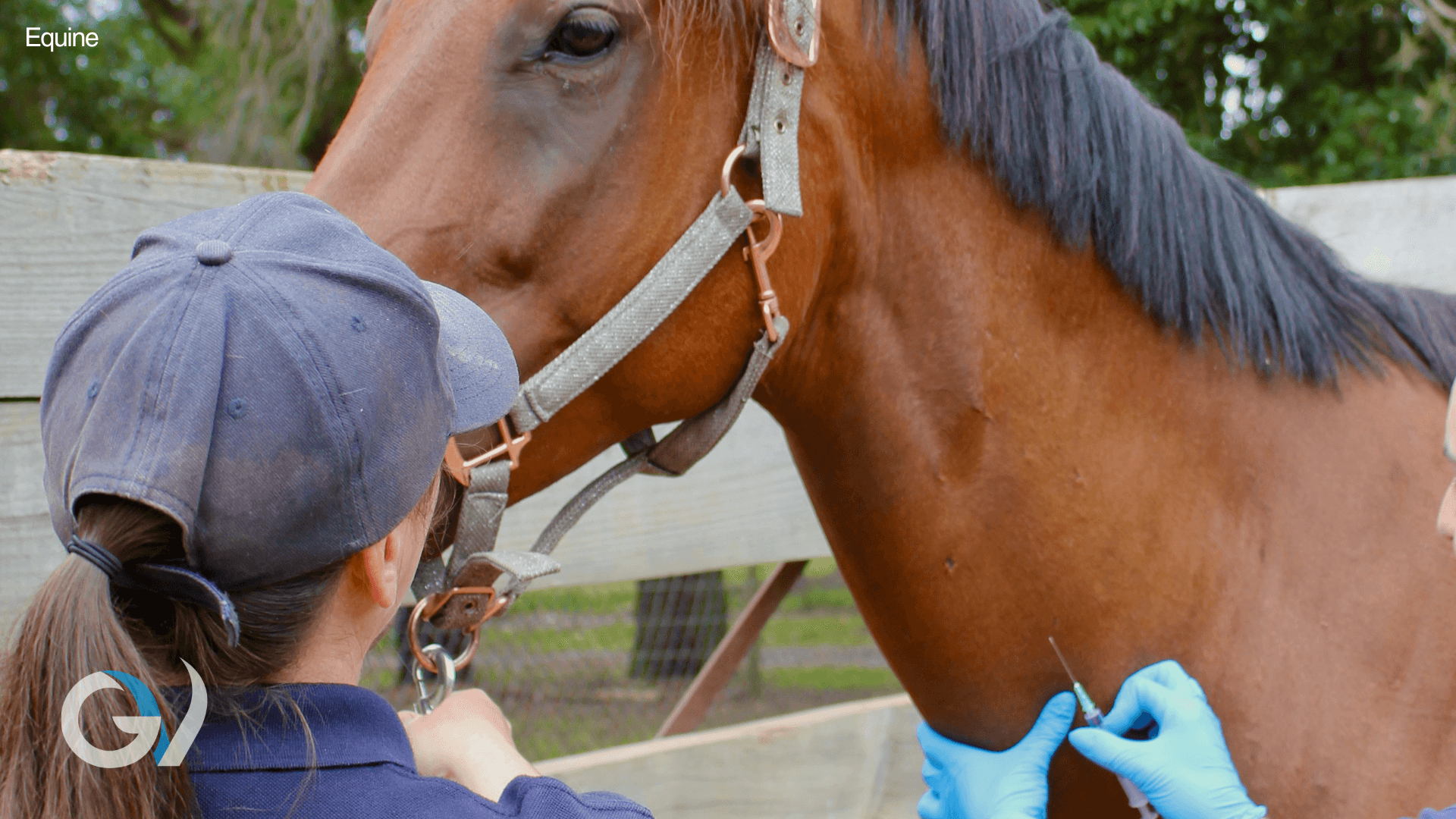
Colic in horses: what to do while you wait for the vet
Colic is one of the most common and potentially serious emergencies we see in horses. While some cases are mild, others can become life threatening very quickly. Knowing what to do in those first moments can make a real difference to your horse’s outcome.
Call your vet first
If you suspect colic, contact your veterinarian immediately. Early intervention is key, and your vet may provide specific advice based on your horse’s symptoms while they are on the way.
Recognise the signs
Colic can present in a variety of ways. Some of the more common signs include:
- Pawing or restlessness
- Rolling or attempting to roll
- Looking at or biting their flank
- Reduced or absent manure
- Sweating or signs of distress
- Inappetence
Remove access to feed
Take away all hay and hard feed straight away. This helps prevent further digestive upset. Fresh water can usually remain available unless your vet advises otherwise.
Keeping your horse calm
Gentle walking is okay, if your horse is happy to do so. However, don't force exercise. If they're content to stand quietly or lie down, this is fine. A Small amount of rolling is unlikely to cause a twisted gut, but excessive amounts of rolling for prolonged periods should be avoided if possible.
Safety is always priority, do not put yourself at risk if they are distressed or attempting to roll violently.
Avoid giving medications
Do not administer pain relief or other medications unless directed by your veterinarian. Administering bute or oral sedation prior to your vet arriving can change the findings of the clinical exam of your horse and prevent your vet using the most appropriate medication to treat the cause of your horse’s colic.
Monitor and gather information
While waiting for your vet, observe your horse closely. Helpful information includes:
- When the signs first started
- Changes in behaviour
- Heart rate and breathing rate, if you are able to check
- Gum colour
- Whether manure has been passed
This information can assist your vet in making a quicker and more accurate assessment.
Prepare for your vet’s arrival
Make sure your horse is in a safe, accessible area. Keeping things organised can help your vet act efficiently when they arrive.
Remove objects such as feed bins, extra buckets or rugs that your horse could get tangled in and cause further injury, especially if they are trying to roll.
Trust your instincts
You know your horse best. If something does not seem right, it is always worth making the call.
If you are concerned your horse may be be suffering from colic, call our Equine Team on (03) 5662 2251 ext 2