&geometry(315x90) "Gippsland Veterinary Group")
Cobalt Deficiency in Livestock | Cattle and Sheep
Cobalt deficiency in cattle and sheep
Cobalt is an essential trace mineral for all ruminants - it is essential for the synthesis of vitamin B12 by the rumen microbiome. Vitamin B12 is involved in wide range of metabolic processes with deficiency presenting in a number of different forms.
Late winter and early spring pose the greatest risk of deficiency as there is often significant leaching of cobalt during winter and high spring pasture growth rates result in low concentrations in forages.
Sheep are particularly sensitive to Cobalt deficiency with lambs post weaning being ultra-vulnerable. Deficiency can present with a range of symptoms ranging from weepy eyes, pale, rough wool and poor growth rates through to severe liver damage (White Liver Disease), photosensitisation, anaemia and death.
Deficiency in cattle often presents as a dry, harsh, faded coat that does not shed in spring. Occasionally cattle can develop pica (depraved appetite) where they seek out and chew on wood, rocks and dirt. Poor growth rates and poor reproductive performance are also common. In dairy cattle, cobalt deficiency can present as a high prevalence of ketosis and poor milk production.
The risk of Cobalt deficiency in South Gippsland is high. The coastal sandy soils are generally deficient as are the red and grey soils around Mirboo North, Leongatha and Foster - Fish Creek. Heavy liming can exacerbate any existing cobalt deficiency as cobalt availability reduces with increasing soil pH.
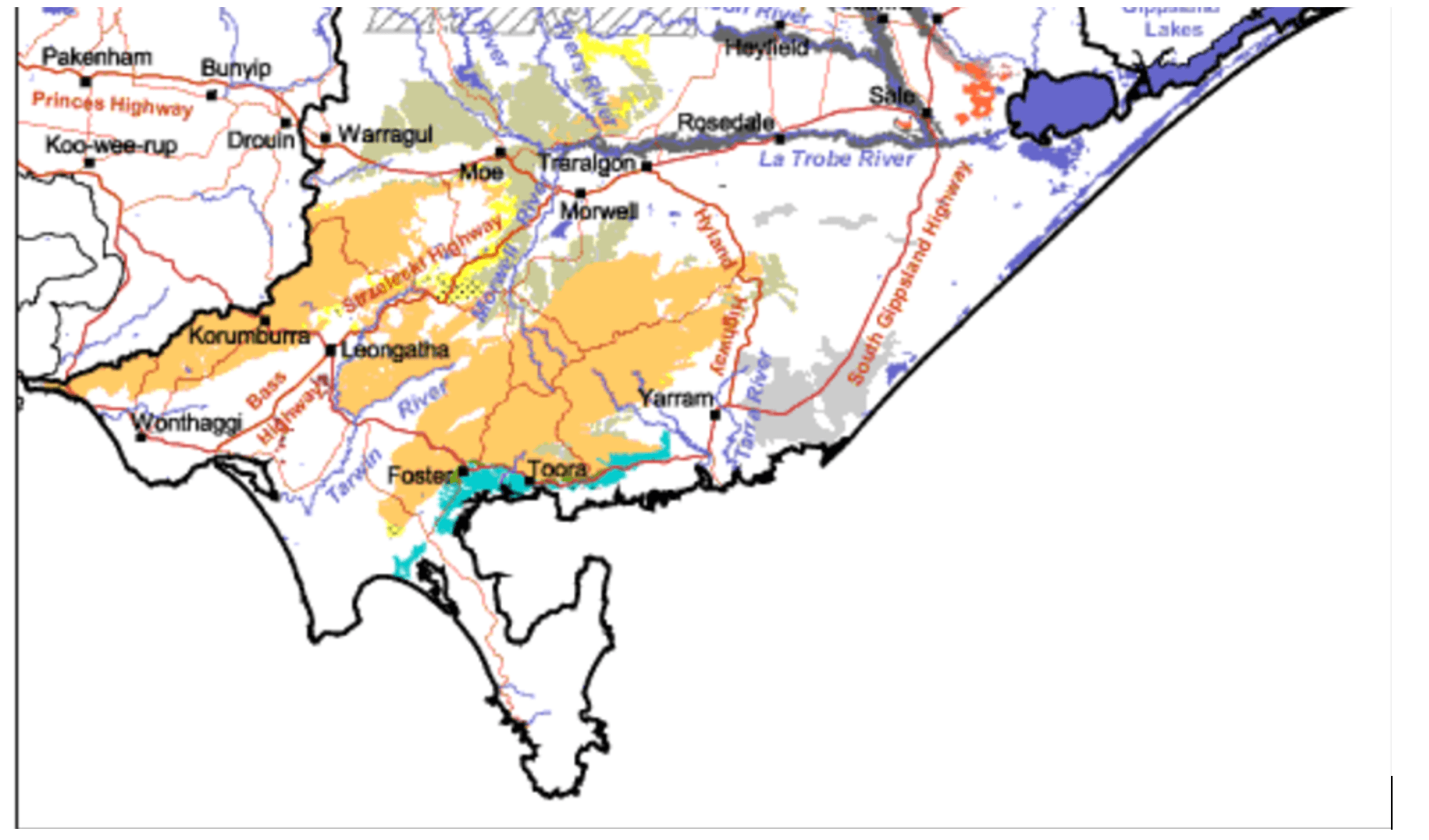
Figure 1. Some of the high risk soils across South Gippsland for cobalt deficiency
Diagnosis of Cobalt deficiency is easy and can be done with a blood sample or liver biopsy. Ten to 12 animals per group are needed to ensure a statistically representative result.
Cobalt supplementation is easy in dairy cattle with it always being included in commercial trace mineral premixes at adequate levels. Other options for supplementation include injections (short term), cobalt containing drenches (very short term), rumen boluses (long term), loose licks and blocks (short term), fertiliser and foliar sprays (long term).
Contact one of our vets for more information on Cobalt deficiency and advice on the best supplementation plan for your stock.